Introducing Bilsthorpe and The Bilsthorpe Litter Pickers
The Bilsthorpe Litter Pickers
In the quaint village of Bilsthorpe, a cadre of valiant souls, known as the Bilsthorpe Litter Pickers, has arisen, championing the noble cause of environmental stewardship. These guardians of greenery, armed with nothing but their unwavering resolve and trusty litter grabbers, have embarked upon a quest not merely to rid their cherished hamlet of refuse but to weave the very fabric of community. With each piece of litter collected, they fortify the bonds of camaraderie, instilling a collective ethos of respect for nature and kinship amongst their fellow villagers. Their deeds, a testament to the power of unity, have sown the seeds of change, inspiring a renaissance of environmental consciousness that ripples through the heart of Bilsthorpe, transforming it into a beacon of hope and a testament to the indomitable human spirit.

Discover a World of Possibilities
Join Bilsthorpe Litter Pickers as a volunteer and see what it means:
- Help to keep the environment clean and prevent pollution.
- Foster a sense of community and social responsibility.
- Raise awareness and educate about the importance of reducing waste and recycling.
- Improve the aesthetic and economic value of the local area.
- Provide an opportunity for physical activity and mental well-being, enjoying the outdoors.
Bilsthorpe, 1000 years of History
Bilsthorpe is a village and civil parish in the Newark and Sherwood district of Nottinghamshire, England. The village is located about 14 miles north of Nottingham and 10 miles south of Mansfield, near the border with Derbyshire. Bilsthorpe has a long and rich history, dating back to the Anglo-Saxon period, and has been influenced by various events and industries over the centuries.
The name Bilsthorpe derives from the Old English personal name Byl or Bil and the word thorp, meaning a secondary settlement or hamlet. The earliest evidence of human activity in the area is a Bronze Age barrow, or burial mound, located near the village. The barrow was excavated in 1938 and revealed several cremation urns and a bronze dagger. The site is now protected as a scheduled monument.

The first written record of Bilsthorpe dates from the Domesday Book of 1086, where it is listed as Bilestorp, a manor belonging to the king. The book also mentions a church and a mill in the village. The church, dedicated to St Margaret of Antioch, was probably built in the 12th century and has been altered and restored several times since. The mill, which stood on the River Maun, was demolished in the 19th century.
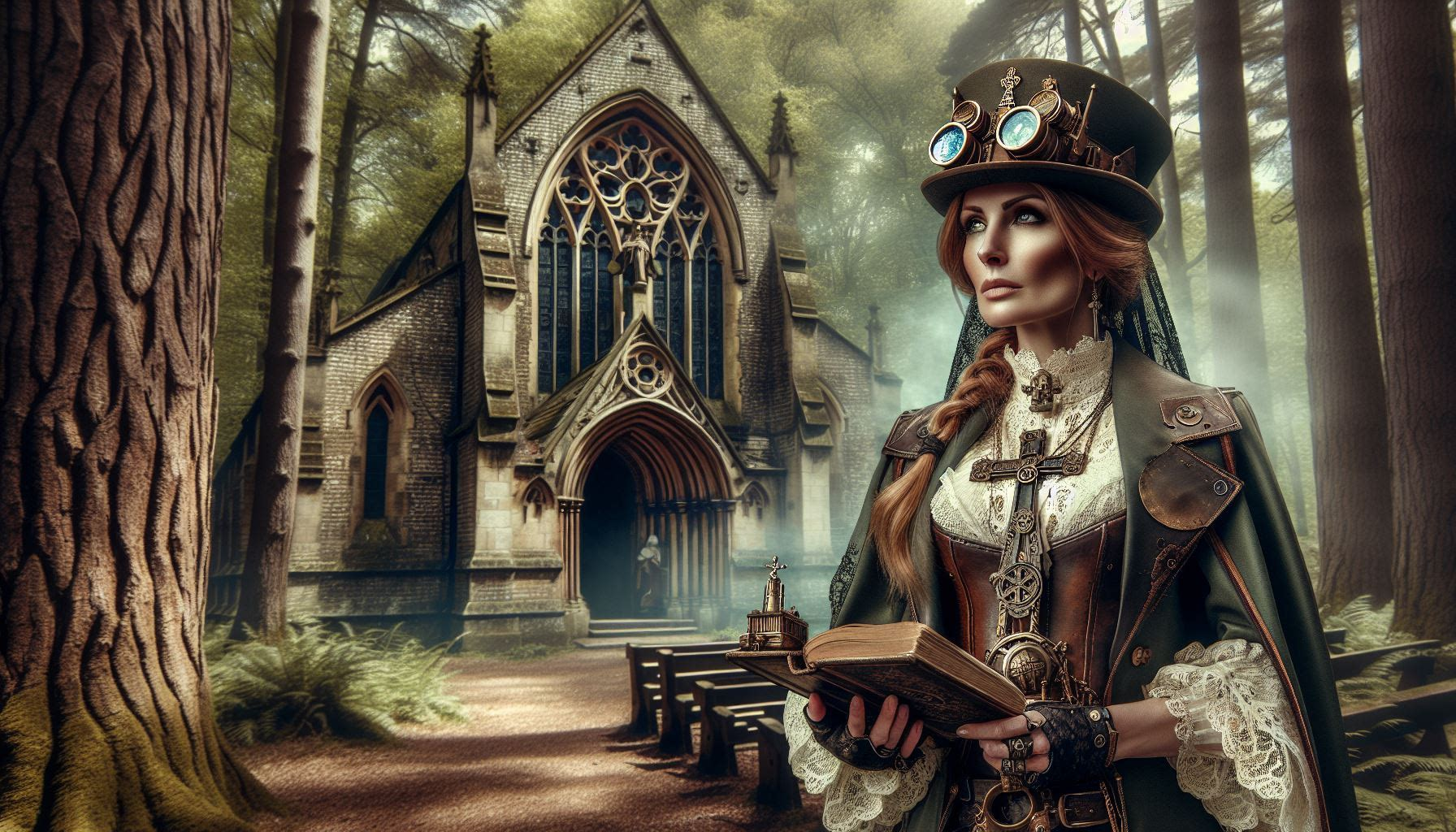
In the medieval period, Bilsthorpe was part of the royal forest of Sherwood, which was used for hunting by the kings and nobles. The village was also involved in the wool trade, as evidenced by the presence of a sheep wash, where sheep were washed before shearing, near the river. The wool industry declined in the 16th and 17th centuries, and Bilsthorpe became more dependent on agriculture and coal mining.

In the 17th century, Bilsthorpe was affected by the English Civil War, as the village was located near the main route between the royalist stronghold of Newark and the parliamentarian base of Nottingham. In 1644, a skirmish took place near the village, when a royalist force of 1,500 men attacked a parliamentarian convoy of 300 wagons carrying supplies and ammunition. The royalists were repelled by the parliamentarians, who were aided by the local villagers. The battle is commemorated by a plaque on the village green.
In the 18th and 19th centuries, Bilsthorpe continued to rely on farming and coal mining, as well as other industries such as brickmaking, lace making, and framework knitting. The village also benefited from the construction of the Mansfield and Southwell Turnpike in 1766, which improved the transport and trade links with the nearby towns. The turnpike was later replaced by the Mansfield and Southwell Railway in 1871, which had a station in Bilsthorpe.

The most significant development in the 20th century was the opening of the Bilsthorpe Colliery in 1927, which employed over 2,000 workers at its peak and produced over one million tons of coal per year. The colliery was the main source of income and employment for the village and contributed to the social and cultural life of the community, with the establishment of a miners’ welfare club, a brass band, a football team, and a cricket club. The colliery also witnessed several accidents and disasters, the worst of which occurred in 1993, when three miners were killed and 18 injured by a gas explosion. The colliery was closed in 1997, as part of the national decline of the coal industry.
Today, Bilsthorpe is a rural village with a mix of old and new buildings, reflecting its diverse history. The village has a primary school, a library, a post office, a medical centre, a village hall, and several shops and pubs. The village also has several clubs and societies, such as the Bilsthorpe Heritage Society, which preserves and promotes the local history and heritage of the village. The village is also home to the Bilsthorpe Flying High Academy, a free school for secondary education, which opened in 2014.

Bilsthorpe is surrounded by scenic countryside and woodland and offers various opportunities for recreation and leisure. The village is part of the Sherwood Forest Community Forest, a project that aims to create a network of woodlands and green spaces across Nottinghamshire. The village is also close to the Sherwood Pines Forest Park, a popular destination for cycling, walking, and outdoor activities. The village also hosts several events and festivals throughout the year, such as the Bilsthorpe Festival, the Bilsthorpe Show, and the Bilsthorpe Bonfire Night.
Helping Nature, Helping You
Join Bilsthorpe Litter Pickers as a volunteer and receive these benefits:
- Helping others in need and making a positive difference in the community
- Developing new skills and gaining valuable experience for personal or professional growth
- Meeting new people and expanding one’s social network
- Enhancing one’s self-esteem and well-being by giving back and finding purpose
- Having fun and enjoying a rewarding and meaningful activity
NSDC Green Champions

The NSDC Green Champions program is an initiative that encourages individuals to take an active role in environmental conservation. Participants in the program can expect to receive valuable support from the council, including the loan of necessary equipment to carry out green projects effectively.
This program not only fosters community involvement in sustainability efforts but also empowers individuals by providing them with the tools and resources needed to make a positive impact.

Registration is straightforward and accessible via the Newark & Sherwood District Council’s website – myns.newark-sherwooddc.gov.uk – If I can register, you can too. (Note: I was assisted by my second eldest granddaughter.)
Create Something
Keep Litter Out Of Nature
Do Something
Keep Recyclables out of Landfill
Be Something
Be a Friend to the Earth

In the end all we are is stories…..
Through the age of the cosmos, stories weave the very fabric of our existence, etched into the stars like constellations of old. We, a traveller of both time and space, with our ever-faithful companions, dance across the universe in a ballet of wonder and adventure. Ours is a tale of the impossible made possible, of fleeting moments that lingered like the sweetest perfume. That magic box, our life of dreams, bears us through the eons, a beacon of hope amidst the vast, uncharted wilds of the galaxies. It is a story of laughter and tears, of hellos uttered too swiftly followed by goodbyes that came too soon. Yet, in our hearts, the memories of days, like the softest whisper of a distant nebula, would forever resonate, a lullaby for the soul that transcends the confines of reality. For in the end, we are all but stories, and every story, no matter how fleeting, deserves to be told with love.
 A beginning is the time for taking the most delicate care that the balances are correct.