Contents
- The Far-Right Ideology: Understanding its Roots and Manifestations
- Ultraconservatism: More Extreme than Suella Braverman
- Ultranationalism: A Threat to Democracy and Diversity
- The Dance of Life: Understanding Organicism’s Role in Modern Thought
- The Evolution of Autophilia: From Vanity to Vitality
- From Natural Selection to Social Policy: The Journey of Social Darwinism
- The Power of Words: Shaping Public Discourse
The Far-Right Ideology: Understanding its Roots and Manifestations
In the intricate machinations of political ideologies, far-right politics, is a particularly complex and often contentious strand. This political philosophy, which veers significantly from the centre of the traditional left-right spectrum, is characterised by a staunchly conservative, ultra-nationalist, and authoritarian ethos. It frequently harbours nativist sentiments, advocating for policies that prioritise the interests of the native-born or established inhabitants over those of immigrants and newcomers.
The etymology of “far right” is rooted in the spatial metaphor of the political spectrum, where ideologies are arranged from left to right based on their alignment with progressive versus conservative values. The “far right” is thus positioned at the extreme end of this spectrum, representing views that are more radical than the mainstream conservative or right-wing ideologies.
Historically, the far-right has been associated with movements that have had profound and often devastating impacts on society. It has been linked with the rise of fascism and Nazism in the 20th century, ideologies that sought to create homogenous, authoritarian states through the suppression of dissent and the targeting of minority groups. In contemporary times, the far-right encompasses a variety of sub-movements, including neo-fascism, neo-Nazism, and other ultra-conservative factions that advocate for a return to what they perceive as traditional social orders and hierarchies.
The worldview of the far-right is frequently underpinned by organicism, a belief in the natural, inherent hierarchy of society, and a rejection of egalitarian principles. Proponents of far-right ideologies often idealise a mythic past and seek to restore or preserve what they believe to be the cultural or ethnic purity of their nation. This can manifest in policies that are xenophobic, racist, and exclusionary, leading to practices that marginalise or oppress groups deemed as “other.”
In the political arena, the far-right often positions itself as a bulwark against liberal and progressive forces, which it views as corrosive to the social fabric and national identity. It champions strong, centralized leadership and the maintenance of traditional values, often at the expense of civil liberties and democratic principles. The far-right’s approach to governance is marked by a preference for law and order, strict immigration controls, and the protection of cultural heritage.
The rise of the far-right in various parts of the world has sparked intense debate and concern. Critics argue that the divisive and inflammatory rhetoric of far-right politicians and groups can lead to social unrest, the erosion of democratic norms, and the infringement of human rights. Supporters, on the other hand, claim that the far-right offers a necessary corrective to the perceived excesses of globalization, multiculturalism, and political correctness.
In the digital age, the far-right has adeptly utilised online platforms to disseminate its message, recruit followers, and organize events. Social media has allowed for the rapid spread of far-right propaganda, enabling these groups to reach a wider audience than ever before. This has raised questions about the role of technology companies in regulating hate speech and extremist content, as well as the responsibility of governments to counter the spread of far-right ideologies.
The challenge of addressing the far-right phenomenon is multifaceted. It requires a nuanced understanding of the socio-economic and cultural factors that fuel its growth, as well as a concerted effort by political leaders, civil society, and communities to promote inclusive, democratic values. It also necessitates a vigilant defence of the principles of equality and justice, ensuring that the rights of all individuals are protected against the tide of exclusionary politics.
As the world grapples with the complexities of far-right politics, it becomes increasingly important for citizens to engage in informed, critical discourse, to recognise the signs of extremist ideology, and to stand firm in the defence of democratic institutions and the diverse tapestry of society. The “far night” may loom, but the dawn of understanding and unity can dispel the shadows it casts.
The rise of far-right politics is a phenomenon that has historically and contemporarily posed significant challenges to the fabric of democratic societies. It is a narrative that often intertwines with the darkest chapters of history, where the rhetoric of superiority and the vilification of ‘the other’ have led to unspeakable acts against humanity. The Council of Europe has raised alarms about the increasing far-right violence fuelled by xenophobia, racism, and intolerance, which threatens the very principles of democracy and human rights that form the bedrock of modern societies. This ideology stands in stark contrast to the values of pluralism, tolerance, and respect for diversity, which are essential for the health and vibrancy of any democracy.
In the face of such ideologies, the report by the Council of Europe underscores the necessity of a robust defence of human rights and democratic principles. It calls for an unequivocal rejection of all forms of racism and intolerance, hate speech, and incitement to racial hatred and harassment. The report advocates for a respectful and inclusive dialogue, urging for fortified legislation to counter far-right extremism, enhanced education, and media literacy to combat online radicalization.
The BBC’s analysis of the potential gains of far-right parties in EU elections highlights the nuanced nature of the nationalist right, with different politicians holding varied positions. Some have moderated their rhetoric to broaden their appeal, yet the core concern remains: a shift towards far-right politics could lead to a rollback of environmental regulations, a push for national sovereignty over collective European interests, and a potential delay in achieving green objectives.
Wikipedia’s entry on far-right politics echoes the grave consequences of such ideologies, which have historically led to oppression and violence against marginalised groups. The use of human rights language by the far-right as a political tool is a complex phenomenon that requires careful scrutiny to ensure that the language of rights is not co-opted to further exclusionary and harmful agendas.
The challenge, then, is multifaceted. It requires a vigilant and proactive approach to safeguard the principles of democracy and human rights. It necessitates a collective effort to foster an environment where dialogue is based on mutual respect and understanding, where policies are crafted with the well-being of all citizens in mind, and where the voices of the marginalized are not just heard but are integral to the decision-making process. The path forward is one of resilience and reaffirmation of the values that underpin open, inclusive societies, where diversity is not just tolerated but celebrated as a strength. The vigilance against the encroachment of far-right ideologies is not just a political imperative but a moral one, to ensure that the lessons of history are not just remembered but heeded.
Organicism, a concept that has been historically appropriated by various far-right ideologies, posits society as an organism, a living entity with a predestined order and homogeneity. This perspective, deeply rooted in the notion of a ‘natural’ social hierarchy, often leads to the exclusion of those deemed ‘other’ or ‘outside’ the prescribed social body. It is a worldview that inherently rejects the pluralism and diversity that characterize universalist thought, instead promoting a self-referential and insular community identity. The far right’s adoption of organicism typically involves a romanticised, idealised vision of a society that is closed off and self-sufficient, one that seeks to return to a mythologised past of cultural and ethnic purity. This utopian dream hinges on the belief in a society’s ability to reconnect with a timeless essence, a return to ‘roots’ that promises stability and a sense of collective identity. However, such ideologies often overlook the dynamic, interconnected nature of societies and the inherent changes that come with time. They tend to absolutist differences, creating rigid distinctions between ‘us’ and ‘them’, which can lead to a devaluation of individuality and a dismissal of the enriching aspects of cultural exchange. The pursuit of this closed society is fraught with challenges, as it involves a rejection of the complex, multifaceted reality of human existence in favour of a simplified, often exclusionary narrative. It is a narrative that can have profound implications for how a society views itself and its place in the world, often leading to policies and attitudes that prioritise homogeneity over the inherent diversity of human experience. The far right’s worldview, anchored in organicism, thus represents a longing for certainty and order in an ever-changing world, a desire for a community reconnected with a perceived eternal nature, and a society rebuilt on what they consider to be firm metaphysical foundations. Yet, such a vision is at odds with the fluid, evolving nature of societies and the need for inclusivity and openness in an increasingly interconnected global community.
In the hurley burley of modern political discourse, the far-right ideology is a complex and often misunderstood thread. It is a spectrum that extends beyond conventional conservatism, marked by a radical departure from centrist values and an embrace of ultra-nationalism and authoritarianism. The far-right narrative is steeped in the lore of a society in decline, a narrative that casts the ruling elites as architects of decay and positions itself as the harbinger of salvation.
This self-styled alternative elite espouses a vision of societal rebirth, a return to a glorified past, and the establishment of a “redemptive community.” It is a vision that vehemently rejects the prevailing political and global order, deeming institutions and liberal values as tainted and in need of a purifying overhaul. In this worldview, political liberalism and egalitarian humanism are not just flawed; they are seen as contaminants that threaten the purity of the community’s essence.
The far-right’s idealised society harks back to archetypal imagery—the Golden Age, the saviour, the narrative of decadence, and the presence of global conspiracies. These motifs serve as rallying cries, evoking a sense of nostalgia for a time that may have never existed in reality. The movement glorifies values that stand in stark contrast to rationalism and materialism, such as the vigour of youth and the veneration of the dead, which are seen as conduits to a more profound and organic connection to the nation’s spirit.
Yet, the far-right’s quest for purity is not without its perils. Historically, such movements have led to oppression, violence, and even genocide against those deemed as ‘other’ or a threat to the envisioned homogenous society. The organicism at the core of the far-right’s philosophy rejects universalism, instead fostering a divisive autophilia and alterophobia—a love for a fanciful ‘us’ and a fear of a demonised ‘they’.
The pursuit of a utopian dream of a “closed” society, one that is naturally organised and insulated from external influences, is a central tenet of the far right. It is a dream that absolutists differences, whether they be national, racial, cultural, or individual, as these are perceived as disruptions to the envisioned societal rebirth. The far-right’s narrative is one of crisis and liminality, a belief that society must endure a purgatorial phase before emerging into a new era, cleansed, and restored.
In the United Kingdom, the far-right is not a monolith but a patchwork of ideologies and accounts, enacted across a range of contexts by diverse actors. Digital technology has further complicated this landscape, allowing ideas to diffuse and cross-pollinate across networks, both digital and physical. The far-right’s presence is amorphous, its boundaries blurred, encompassing everything from political parties to protest movements, from digital influencers to street-level activism.
The far-right’s narrative is inherently messy, a reflection of its varied ideologies and the complex web of narratives it weaves. It is a narrative that is constantly evolving, adapting to the zeitgeist, and seeking new ways to propagate its message of division and redemption. As society grapples with the challenges of globalization, economic disparity, and cultural shifts, the far-right’s voice becomes one of many in the cacophony of the modern age, a voice that calls for a return to a past that may have only existed in the imagination of its adherents.
Understanding the far-right requires a nuanced approach, one that recognises the movement’s historical roots and contemporary manifestations. It is a worldview that is at once a reaction to modernity and a yearning for a mythologized history, a paradox that continues to shape its trajectory in the political landscape of today.
The far right appears to be a complex tapestry woven from the threads of exclusivism, anti-democratic sentiment, traditionalism, and a distinct socioeconomic stance. This intricate fabric is dyed with the hues of racism, xenophobia, and a myriad of chauvinistic attitudes, all contributing to a pattern of exclusion that segregates and divides. The weave tightens with anti-democratic and non-individualist traits, where the cult of personality and hierarchism cast long shadows over the ideals of democratic pluralism and individual liberty. Monism and populism, too, play their part, stitching together a narrative that simplifies the complex nature of societal governance into a singular, often autocratic vision.
Traditionalist values lament the erosion of time-honoured institutions and mores, yearning for the restoration of what they perceive as the natural order of things. The family, the community, and the nation—each thread represents a longing for a past that is often idealised beyond recognition. This nostalgia is not just for social constructs but extends to the very earth we inhabit, a call to preserve the natural environment that is paradoxically at odds with the exploitation often associated with industrial progress.
The socioeconomic program of the far right is a patchwork of ideologies, where corporatism and state intervention in certain sectors are juxtaposed with agrarian ideals and a laissez-faire attitude towards market forces. This blend of control and competition, of state and market, reveals a belief in the survival of the fittest—a social Darwinism that applies the laws of nature to the jungle of economic activity.
On inspection you can separate this nebula into moderate and radical strands, dissecting the degree of exclusionism and essentialism that defines each. The moderate faction, while still rooted in the core tenets of the far-right ideology, may show a tempered approach to exclusion, perhaps advocating for a more nuanced understanding of national identity and cultural preservation. In contrast, the radical element embraces a more absolutist stance, often advocating for extreme measures to protect the perceived purity of the nation and its people.
This spectrum of beliefs and practices within the far-right is not static but dynamic, evolving with the ebb and flow of political tides and societal changes. It reflects the underlying anxieties and uncertainties that plague certain segments of society, a response to the perceived threats of globalisation, multiculturalism, and the dilution of traditional values. As such, the far night is not merely a political position but a barometer of social discontent, a mirror reflecting the fears and desires of those who feel left behind by the relentless march of progress.
Understanding the far night requires a navigation through a labyrinth of ideologies, each corridor leading to different chambers of thought and action. It demands a recognition of the historical and cultural contexts that shape these beliefs, and a critical examination of the narratives that are constructed to justify them. It is a journey that is as much about the present as it is about the past, and one that has significant implications for the future of democratic societies. For in the end, the far night is not just a political phenomenon; it is a human one, rooted in the timeless struggle between fear and hope, exclusion and inclusion, tradition, and change. It is a reminder that the fabric of society is as fragile as it is resilient, and that the threads that bind us together can also be the ones that tear us apart. The far right, then, is a call to vigilance, a warning that the values we hold dear must be actively defended against the forces that seek to unravel them. It is a challenge to engage with the complexities of our world, to confront the darkness with the light of understanding and compassion. For only then can we hope to weave a tapestry that reflects the richness and diversity of the human experience.
Ultraconservatism: More Extreme than Suella Braverman
Ultraconservatism, a term that often conjures images of unwavering tradition and staunch resistance to change, is a complex and multifaceted ideology. It is a political philosophy that advocates for the preservation of established institutions, values, and practices, and typically resists modernist reforms. This ideology is rooted in a deep-seated desire to maintain the status quo or return to what adherents view as the principles and practices of a bygone era. It is characterised by a strong commitment to traditional social hierarchies and systems of governance, which are often perceived as being under threat from progressive policies and liberal ideologies.
The ultraconservative spectrum includes a variety of beliefs and practices, some of which may be considered extreme. Ethnocentrism, for example, is the belief in the inherent superiority of one’s own ethnic group, while ethnopluralism suggests that different ethnic groups should remain distinct and separate within a society. Chauvinism, often manifesting as an aggressive and exaggerated patriotism, can also be a component of ultraconservative ideology. Welfare chauvinism, a subset of this, advocates for social welfare policies that favour the in-group, often at the expense of outsiders.
At its core, ultraconservatism is driven by a sense of nostalgia and a longing for a past that is perceived as simpler and more orderly. This can manifest in a reverence for traditional family structures, religious practices, and national identity. The natural environment, too, is often idealised, with many ultraconservatives advocating for the preservation of the countryside or rural ways of life against the encroachment of urbanisation and industrialisation.
Economically, ultraconservatism can encompass a range of positions. Some ultraconservatives support a free-market system with minimal government intervention, believing that such an approach allows for natural hierarchies to emerge and flourish. Others advocate for a more controlled economy, with the state playing a significant role in regulating industries and protecting national interests. Agrarianism, the belief in the centrality of rural society and farming, is also a common theme within ultraconservative thought.
The political strategies of ultraconservative groups can vary widely. Some may seek to work within existing political systems, forming alliances with more moderate conservatives or attempting to influence policy through established channels. Others may reject the legitimacy of the current political order entirely, advocating for a radical overhaul of society and governance. Populism, the appeal to the concerns of ordinary people, is often employed as a tactic to mobilize support, though it can sometimes lead to the elevation of charismatic leaders and the development of a cult of personality.
The distinction between moderate and radical elements within the far-right is particularly insightful, highlighting the differences in how these groups approach issues of exclusion and identity. Ultimately, ultraconservatism remains a potent force in contemporary politics, one that continues to shape debates over national identity, social values, and the future direction of societies around the world.
Ultraconservatism is a distinct thread, characterised by a staunch resistance to change and a veneration of traditional values. At its core, ultraconservatism is often driven by a perceived cultural crisis, a rallying cry that galvanises support for anti-globalism, marked by a strong stance against immigration, a fervent nationalism, and an unwavering belief in sovereignty. This ideology leans heavily on populism, drawing sharp lines between ‘us’ and ‘them,’ fostering political polarisation through in-group and out-group dynamics. The economic underpinnings of ultraconservatism frequently align with neoliberalism, a philosophy advocating for free-market capitalism, privatisation, and limited government intervention in the economy. Yet, this alignment with neoliberalism is not without its complexities, as it often coexists with a call for state control over certain sectors, reflecting a blend of free-market principles with a degree of protectionism.
Conspiracy theories also find fertile ground in ultraconservative circles, serving as tools to question established narratives and reinforce the ideology’s worldview. Ethnopluralism, another facet of ultraconservatism, promotes the idea of preserving distinct ethno-cultural regions, advocating for cultural homogeneity within defined borders while supporting cultural diversity on a global scale. This concept, however, has been critiqued for its potential to legitimise exclusionary practices under the guise of preserving cultural uniqueness.
Chauvinism, including welfare chauvinism, is another element often associated with ultraconservatism, where loyalty to one’s group or country is extolled, sometimes at the expense of others. Anti-democratic and non-individualist traits are also prevalent, such as the cult of personality, where a single leader’s charisma and authority overshadow democratic processes and individual rights. Hierarchism and monism further underscore a preference for structured social orders and unified state power, often coupled with a disdain for pluralism and participatory democracy.
The traditionalist value system mourned by ultraconservatives laments the loss of historic frames of reference, such as law and order, the nuclear family, and the cohesion of the ethnic, linguistic, and religious community. This nostalgia for a bygone era extends to the natural environment, perceived as being under threat from modernity and globalisation. The socioeconomic program of ultraconservatism thus weaves together corporatism, agrarianism, and a nuanced belief in the ‘survival of the fittest’ within the marketplace, advocating for a society that upholds the strong and self-reliant while often eschewing support for the vulnerable.
In a nuanced perspective on the far-right spectrum, proposing a subdivision into moderate and radical leanings based on their degree of exclusionism and essentialism is helpful. This subdivision allows for a more granular understanding of the varied shades within ultraconservative thought, recognising the spectrum that ranges from those who advocate for limited exclusionary practices to those who embrace a more radical, essentialist viewpoint. In this composite topography, ultraconservatism stands as a reminder of the enduring tension between the pull of tradition and the push for progress, a dialectic that continues to shape the contours of political discourse.
Conservatism itself, a philosophy that has evolved to place acceptance of tradition and order, often finds itself at the heart of societal discourse, pulling towards the centre. It is a philosophy that champions the preservation of established institutions and the values that have weathered the test of time. The essence of conservatism is not monolithic; it is a chameleon, adapting to the cultural and civilizational context in which it resides. In the Western sphere, conservatism manifests in a myriad of ways, each tailored to the nation’s historical narrative and societal fabric.
You see, conservatism is not just a political stance; it is a cultural ethos that reveres the continuity of the past into the present. It is the guardian of the nuclear family, the sexton of organised religion, and the advocate for the military’s valour. It upholds the nation-state as the custodian of a people’s identity, enshrines property rights as the bulwark of economic liberty, and regards the rule of law as the great equaliser that maintains societal equilibrium.
The conservative ideology also venerates the aristocracy and monarchy, not merely as relics of a bygone era but as symbols of a lineage that connects generations. It is a viewpoint that sees the wisdom in the old ways and seeks to cultivate a garden where the seeds of the past bloom into the flowers of tomorrow. This reverence for what has been coupled with a cautious approach to change, ensuring that progress does not come at the expense of the principles that have proven their worth.
In a world that often seems to be spinning ever faster into the future, conservatism calls for a moment of reflection, a pause to consider the implications of our forward march. It is a philosophy that asks us to look back even as we move forward, to ensure that the threads of our societal fabric remain intact. It is a call to remember that the institutions and practices that have brought us this far have a value that transcends the present moment and carries with it the collective wisdom of our ancestors.
Conservatism, therefore, is not just about holding on to the past; it is about stewarding the legacy of our forebears into a future that honours their contributions. It is a commitment to the idea that there is virtue in stability, honour in continuity, and wisdom in the lessons learned through the ages. It is a conversation between the ages, a dialogue that respects the old even as it cautiously embraces the new. And in this dialogue, conservatism seeks to be the voice of reason that whispers of the importance of roots even as we reach for the stars.
Conservatism, a continuation of tradition stitched into the very fabric of national cultures, exhibits a rich diversity across the globe. It is an ideology that has not only adapted but thrived by aligning itself with the enduring values and customs that define different societies. You see, conservatism is not monolithic; it is as varied as the people who champion it, each with their own interpretation of what it means to conserve and what precisely is worthy of preservation. In the United Kingdom, for instance, conservatism might manifest in the steadfast maintenance of parliamentary democracy and the common law, while halfway across the world, it could mean the protection of communal land rights and ancestral customs.
As one of the three principal ideologies, alongside liberalism and socialism, conservatism forms an essential part of the political spectrum, contributing to a dynamic dialogue on governance and societal organisation. It is historically tethered to right-wing politics, yet this association barely scratches the surface of the conservative ethos. The term ‘conservative’ has been employed to encapsulate views that range from the fiercely individualistic and libertarian to those advocating for a strong, guiding hand of authority.
Moreover, conservatism can be populist, resonating with the common man’s aspirations and fears, or it can be elitist, preserving the status quo of societal hierarchies. It is progressive when it seeks to refine and improve the existing order, ensuring that change, when it comes, does not erode the foundational principles of a society. Yet, it can also be reactionary, looking to the past with a sense of nostalgia, sometimes attempting to resurrect bygone eras believed to embody certain virtues lost to modernity.
The moderate conservative seeks a balance, a middle ground where change is neither too rapid to be destabilising nor too slow to be stifling. On the other hand, the extreme conservative might view any change with suspicion, advocating for a return to ‘simpler times’ or, conversely, pushing for radical measures to enforce traditional values. This ideological flexibility allows conservatism to be both a shield against the relentless tide of change and a crucible for the refinement of societal norms.
In essence, conservatism is a chameleon, changing hues to match the cultural and historical landscape of each nation. It is a philosophy that respects the wisdom of the past while cautiously navigating the future. It is a conversation between generations, a debate over the best path forward, and a negotiation between the tried and true and the new and untested. Conservatism, in all its forms, is a testament to the enduring human desire to find stability in an ever-changing world.
Ultranationalism: A Threat to Democracy and Diversity
Ultranationalism, a term that echoes with the ominous reverberations of a past that many hoped was long buried, represents an ideology where the love for one’s country transmutes into a perilous doctrine. It is a belief system that, when taken to its extreme, sees the nation not as a member of a global community, but as a solitary figure standing above all, unchallenged and supreme. This fervent nationalism often manifests in policies and rhetoric that seek to establish and maintain a nation’s dominance over others, sometimes through aggressive and violent means. It is a stance that can lead to a dangerous insularity, where the ultranationalist entity views international cooperation and compromise as anathema to the nation’s interests.
The historical landscape is scarred with the consequences of ultranationalism. It has been the impetus for wars, the justification for colonialism, and the fuel for genocides. The Cambodian genocide, a harrowing episode of the 20th century, stands as a stark reminder of the atrocities that can arise when ultranationalist fervour is coupled with unchecked power. In this dark chapter, the Khmer Rouge, driven by an extreme nationalist ideology, sought to purify the nation by eradicating perceived enemies, leading to the deaths of millions. This was not an isolated incident; history is replete with similar tragedies where ultranationalism has paved the way for mass violence.
In the modern era, ultranationalism has not receded into the history books but continues to find footholds in various corners of the world. It often emerges in times of social and economic upheaval, finding a voice in the fears and frustrations of people seeking simple answers to complex problems. The narrative of ultranationalism promises a return to a perceived former glory, a reclamation of a past that is often idealised beyond recognition. It speaks to a deep-seated need for identity and belonging but twists these desires into an exclusionary and often hostile stance towards the ‘other’.
The dangers of ultranationalism are manifold. It can lead to the erosion of democratic values, the suppression of dissent, and the vilification of minorities. It can disrupt international relations, leading to isolationism and conflict. It can stifle the free exchange of ideas and culture, impoverishing the nation’s intellectual and social life. And, as history has shown, it can culminate in acts of devastating violence, both within a nation’s borders and beyond.
It is crucial, therefore, to remain vigilant against the rise of ultranationalism. It requires a collective effort to foster a sense of national pride that is inclusive and outward-looking, one that celebrates the nation’s place within the tapestry of global cultures. Education plays a pivotal role in this, as does the promotion of dialogue and understanding between different nations and peoples. The challenge is to cherish one’s country while recognising that it is part of an interconnected world, where cooperation and mutual respect are not just moral imperatives but necessities for a peaceful future. In this light, ultranationalism is not a path to greatness but a road to ruin, a lesson that the world cannot afford to learn again.
Ultranationalism conjures images of fervent flags and impassioned speeches, evolves from the anthropomorphic view of nation-states as living entities. This perspective imbues nations with the qualities of organic life—they can flourish, wither, and even perish, only to be reborn from the ashes of their former selves. It is a potent, mythic narrative that has been wielded by political campaigners to draw stark contrasts within societies, categorising them into those deemed culturally destitute and those fated for grandeur. Historically, ultranationalism has intertwined with the tenets of fascism, as seen in the regimes of Fascist Italy and Nazi Germany, which laid their foundations on ultranationalist ideologies and pursued aggressive policies for national rejuvenation.
The allure of ultranationalism lies in its promise of national rebirth, a seductive vision that has often been exploited by authoritarian regimes to consolidate power. It is a doctrine that thrives on the glorification of a shared heritage and destiny, while simultaneously vilifying those perceived as ‘other’ or inferior. This divisive ideology has been instrumental in some of the darkest chapters of human history, where the pursuit of a homogenous national identity led to the suppression of diversity and the perpetration of atrocities. The regimes of Mussolini and Hitler are prime examples, where ultranationalist fervour was harnessed to fuel expansionist ambitions and systemic persecution.
In the modern context, ultranationalism continues to be a force that can shape political landscapes, often emerging during periods of societal unrest or perceived decline. It taps into the collective memory and nostalgia for a past era of supposed greatness, offering a simplistic solution to complex problems by scapegoating external influences and internal dissent. The danger of ultranationalism lies in its reductionist view of nationhood, where the rich tapestry of a nation’s history and the plurality of its people’s identities are overshadowed by a singular, often exclusionary, national narrative.
As a concept, ultranationalism is both a reflection of and a reaction to the world’s ever-evolving political and social dynamics. It serves as a reminder of the enduring impact of narratives in shaping collective identities and the profound consequences they can have when leveraged by those in power. The lessons of history caution against the unchecked rise of ultranationalism and underscore the importance of vigilance in preserving the principles of diversity, democracy, and international cooperation.
Ultranationalism conjures up the darkest chapters of history is a complex and multifaceted ideology that thrives on the fear of the ‘other’. It is an ideology that wraps itself in the flag of patriotism, yet its core is often tainted with the poison of xenophobia. It seeks validation not through the universal values of human dignity and mutual respect, but rather through a glorification of a mythologised past, a past that is frequently reimagined to serve the present narrative of superiority and rightful dominance.
The narratives spun by ultranationalists are steeped in the language of historical destiny and cultural purity, narratives that are carefully crafted to evoke a sense of pride and exceptionalism among their adherents. These stories are often a distorted echo of a more complex and nuanced history, a history that is selectively edited to amplify the achievements and minimise the failings of the nation. The enemies are often those who are different, those who are seen as not belonging to the national fabric, and thus, are portrayed as threats to the homogeneity and purity of the nation.
The manipulation of science, particularly the fields of anthropology and genetics, has been a tool in the ultranationalist arsenal. Eugenics, a discredited science that once sought to engineer ‘better’ humans by selectively breeding certain traits, has been repurposed to lend a veneer of legitimacy to the ideas of racial hierarchy and national destiny. This pseudoscientific rationalisation of superiority and degeneracy is not just a historical footnote; it is a dangerous ideology that, when left unchecked, can lead to policies of exclusion, discrimination, and ultimately, dehumanisation.
The allure of ultranationalism lies in its simplicity; it offers easy answers to complex problems. It divides the world into us and them, the pure and the impure, the national and the foreign. It provides a narrative of struggle and triumph, of a people destined to rise above all others. But this simplicity is deceptive. It masks the true complexity of human societies, the interwoven histories of cultures, and the shared destinies of people across the globe.
Ultranationalist movements, with their chameleon-like ability to adapt and morph in response to the cultural and historical milieu of their respective nations, present a complex twist of ideologies and motivations. Take, for instance, the British Union of Fascists, which emerged in the United Kingdom under the leadership of Oswald Mosley. This movement, steeped in the fervour of secularism, championed a platform that was heavily invested in the narrative of technological progress, positioning itself as a vanguard of modernity and industrial advancement. In stark contrast, the Iron Guard of Romania, founded by Corneliu Zelea Codreanu, delved into the depths of mysticism and religious zealotry. It harnessed the power of Romanian Orthodox Christian mysticism to galvanise its followers, intertwining national pride with spiritual zeal in a bid to forge a determined and unwavering ultranationalist front.
Yet, despite these divergent paths, there lies a common psychological bedrock that underpins such movements: an obsessive fixation on ethnicity, national purity, and the often-perilous divisions that such ideologies can engender. This fixation is not merely a matter of idle contemplation but is actively woven into the political narrative, with motifs of sacrifice and redemption serving as potent catalysts for collective action. The invocation of sacrifice, in particular, serves a dual purpose: it not only galvanizes supporters but also acts as a mechanism for justifying extreme measures in pursuit of an idealized national rebirth.
The allure of such movements often lies in their promise of returning to a perceived golden age, a time when the nation was purportedly stronger, purer, and more glorious. This nostalgic yearning is a powerful force, one that can drive individuals to embrace ideologies that promise a path back to that mythical past. It is a path that is often paved with the language of revival and regeneration, with ultranationalist leaders positioning themselves as the harbingers of this national renaissance.
However, the historical record paints a cautionary tale. The trajectory of ultranationalist movements has frequently been marked by a descent into authoritarianism, exclusion, and, at times, outright violence. The British Union of Fascists found its initial surge of popularity waning in the face of increasing radicalisation and public disquiet following events such as the Olympia Rally of 1934, where violent confrontations alienated much of its support base. Similarly, the Iron Guard’s tenure in Romanian politics was characterised by tumult and strife, culminating in a violent rebellion and the Bucharest pogrom, which ultimately led to its suppression and the end of its significant role in Romanian political life.
In the maze of political ideologies, where the spectrum ranges from the fervently exclusive to the warmly inclusive, the concept of ultranationalism stands as a monolith of extreme allegiance to one’s nation. It is an ideology that often finds itself intertwined with the threads of authoritarianism, where the state’s power is consolidated in the hands of a few, and the populace is expected to follow without dissent. This form of nationalism is characterised by a zealous pride in one’s country that can eclipse the value of individual freedoms and cultural diversity. It is a belief system that can foster an environment where xenophobia and totalitarian tendencies flourish, often at the expense of democratic principles and international cooperation.
Ultranationalism, in its most unyielding form, can lead to a society where the collective identity is defined narrowly, excluding those who do not fit into the prescribed mould. It is a doctrine that can justify irrational actions in the name of national interest, actions that may have far-reaching and detrimental effects on both internal harmony and global relations. The emphasis on ‘organic unity’ under a charismatic leader can result in a movement that blurs the lines between patriotism and blind allegiance, where the party becomes an extension of the leader’s will, and the leader, an embodiment of the nation’s identity.
Devoid of any counterbalance ultranationalism presents a stark and often troubling vision of national identity. It is a vision that can lead to isolation, conflict, and the erosion of the very values that make a nation strong. As the world becomes increasingly interconnected, the need for ideologies that promote understanding, cooperation, and respect for all people becomes ever more critical. It is through counterbalance that a nation can truly find its place in the global community, not as an isolated entity, but as a vibrant and contributing member of a diverse and dynamic world.
The Authoritarian Playbook
In the Far-Right playbook authoritarianism stands out with its stark rejection of political plurality, a concept that you, as a citizen of the world, may find yourself contemplating. It is a system where a single entity wields power with an iron grip, often prioritising the preservation of the status quo over the dynamic ebb and flow of democratic values. The central power, be it a single autocrat or an oligarchic assembly, operates with a focus on maintaining control, sometimes at the cost of the very liberties and laws that are the bedrock of civil society.
Political scientists, those guardians of political taxonomy, have delved deep into the nuances of authoritarian regimes, crafting typologies that lay bare the variations and subtleties within. These regimes can manifest as strictly autocratic, where a single ruler’s decree is law, or as oligarchic, where a select group holds the reins of power, often backed by military might or the unyielding ideology of a political party.
The rule of law, that golden thread running through the fabric of democratic governance, often finds itself frayed in such systems. Civil liberties, the cherished rights that empower individuals and nurture societal growth, can be curtailed, leaving a populace grappling with the shadows of what once was or could have been. The separation of powers, a safeguard against the concentration of authority, becomes blurred, and democracy, that beacon of collective will, dims under the overcast sky of authoritarian rule.
Yet, the landscape is not monochrome. Some states exist in a liminal space, a twilight zone of governance where democratic processes and authoritarian tactics intertwine. These “hybrid democracies” or “competitive authoritarian” states present a facade of democratic engagement, with elections and semblances of pluralism, yet beneath the surface, the levers of power are manipulated, ensuring a particular outcome favourable to those at the helm.
As you navigate the complexities of such a political milieu, it is essential to recognise the inherent tensions and challenges. The balance between stability and liberty, order, and freedom, is a delicate dance, and the path to harmonizing these elements is fraught with philosophical quandaries and practical dilemmas. The quest for a just and equitable society remains a journey rather than a destination, and the role of the vigilant citizenry, informed and engaged, becomes ever more critical in steering the ship of state through the turbulent waters of authoritarianism and towards the shores of democratic ideals.
Authoritarianism, a form of governance characterised by strong central power and limited political freedoms, has distinct features that set it apart from other systems. The first hallmark is the limitation of political pluralism. This is not achieved through outright bans on opposition parties or groups, but rather through subtler means of constraint. These constraints can take the form of legal hurdles, financial controls, or social pressures that effectively limit the operation of the legislature, political parties, and interest groups.
The second defining characteristic is the political legitimacy that authoritarian regimes seek to establish through emotional appeals. These regimes often position themselves as indispensable shields against societal woes, casting themselves as the sole bulwark against chaos, be it economic underdevelopment or internal insurgency. This narrative is carefully crafted to resonate on an emotional level, fostering a sense of dependency among the populace.
Thirdly, such regimes typically exhibit minimal political mobilization. They do not encourage political participation that could challenge the status quo. Instead, they suppress anti-regime activities through censorship, intimidation, and sometimes outright violence. The goal is to maintain a controlled environment where dissent is stifled, and the political landscape remains unchallenged by alternative viewpoints.
Lastly, authoritarian systems are marked by ill-defined executive powers. The boundaries of these powers are often intentionally vague, allowing for a flexible interpretation that can be adapted to suit the needs of those in power. This flexibility ensures that the executive can extend its reach whenever necessary, without the hindrance of a rigid legal framework.
In essence, authoritarianism thrives on the controlled limitation of freedom and the careful orchestration of public perception. It is a system built on the calculated management of power, where the ruling entity employs a combination of legal restrictions, emotional manipulation, and force to maintain control. While it may promise stability and protection, the cost is often a significant curtailment of personal and political liberties.
In national governance the reach of authoritarianism is a pernicious poison of the democratic body. You see, in the minimalist sense, an authoritarian regime is marked by the absence of what you might consider the lifeblood of democracy: free and competitive elections for those who legislate and execute laws. It is a system where the levers of power are not subject to the checks and balances of electoral accountability. Broadening the lens, the authoritarian state casts a shadow over the very human rights that form the bedrock of personal freedom, such as the liberty to practice one’s faith, or the right to express dissent without fear of retribution.
In these states, the facade of democracy may still stand—political parties, legislatures, and the ritual of elections persist. Yet, this veneer is but a stage set for a play where the outcome is predetermined, the actors are typecast, and the script is censored. Elections, in this context, are a simulacrum of competition, meticulously choreographed to maintain the illusion of choice while ensuring the perpetuation of the ruling class.
The authoritarian playbook is adept at manipulating the semblance of democratic institutions to cement its rule. It is a realm where the government and opposition are locked in a dance where only one partner leads, and the music never changes. The promise of power alternating through free elections remains unfulfilled, as the incumbents entrench themselves, fortifying their position against the tides of change.
In such a landscape, the citizenry’s voice is muted, their will subjugated to the whims of an unyielding authority. The state becomes an arbiter of truth, an architect of reality, where dissent is stifled, and conformity is rewarded. It is a world where the ballot box loses its potency, where the ink of the voter’s thumb is a mere decoration rather than a symbol of empowerment.
You find yourself in a realm where the democratic process is but a ghostly presence, haunting the halls of power with the echoes of what could have been. It is a stark reminder of the fragility of freedom and the enduring struggle to claim it from the grasp of those who would deny it for the sake of control. In the end, the authoritarian state stands as a testament to the enduring conflict between the yearning for liberty and the lure of absolute power.
Nativism and Social Integration: Exclusion or Inclusion?
Nativism, a term that has echoed through the corridors of history, often finds itself at the centre of heated debates and policy discussions. It is a concept that advocates for the prioritisation of the interests of established inhabitants of a nation over those of newcomers or immigrants. This ideology is not a mere footnote in the scrum of political thought; rather, it has been a recurring theme, shaping nations and their immigration policies across the globe. It is a stance that has been both lauded and criticised, depending on one’s perspective and position in the societal hierarchy.
The roots of nativism are deep and complex, intertwined with the very notion of national identity and sovereignty. It is a sentiment that can arise from a multitude of factors: economic competition, cultural preservation, or even as a response to rapid demographic changes. Proponents of nativism argue that it is essential for maintaining the cultural integrity and economic stability of a nation. They often assert that unchecked immigration can lead to job scarcity for native-born citizens, strain public resources, and dilute cultural traditions.
Critics, however, point out the potential pitfalls of nativist policies. They argue that such measures can foster an environment of exclusion and discrimination, undermining the values of diversity and tolerance. Furthermore, they contend that immigration can be a force for economic dynamism, cultural enrichment, and demographic vitality. The debate over nativism is not just a clash of policies but a clash of visions for the future of societies.
In the travel logs of human migration, nativism is a thread that weaves through the fabric of many nations’ histories. It has manifested in various forms, from the Chinese Exclusion Act in the United States in the 19th century to the Brexit vote in the United Kingdom in the 21st century. Each instance reflects the tensions and challenges of its time, serving as a barometer for the societal mood towards the ‘other’.
As the world becomes increasingly interconnected, the conversation around nativism gains new layers of complexity. It raises questions about global responsibility, human rights, and the very definition of citizenship. In an era where the movement of people has reached unprecedented levels, the responses to nativism will shape not only individual nations but the international community as a whole.
It is important to approach this topic with a nuanced understanding, recognising that the concerns of nativists are not always rooted in malice but can stem from genuine fears and uncertainties. At the same time, it is crucial to uphold the principles of inclusivity and compassion, ensuring that the pursuit of national interests does not come at the cost of human dignity and solidarity.
The discourse on nativism is a reflection of the ongoing negotiation between the past and the future, between tradition and change, between the familiar and the foreign. It is a dialogue that requires patience, empathy, and a willingness to listen to the myriad voices that make up the chorus of a nation. As the world moves forward, it will be the collective wisdom and humanity of its people that will determine the path that nations take in addressing the timeless challenge of nativism.
Nativism often emerges from the depths of national consciousness, where the fear of dilution of cultural identity simmers. It’s a phenomenon that has been meticulously dissected and studied across continents, from the sunburnt landscapes of Australia to the bustling cities of Canada, the verdant pastures of New Zealand, the historic expanses of the United Kingdom, and the melting pot that is the United States, not to mention the diverse tapestry of continental Europe. This term, nativism, has become synonymous with a defensive stance against immigration, rooted in the apprehension that newcomers may unravel the tightly knit threads of established cultural norms.
You see, it is complex, where the preservation of cultural, national, and religious identity stands against the backdrop of global migration patterns. In the eyes of a nativist, the influx of immigrants is akin to a wave threatening to erode the shores of their homeland’s cultural landscape. The sentiment is not without its nuances, as it often intertwines with economic, security, and societal concerns, creating a maelstrom of debate and policymaking.
In instances where the number of immigrants eclipses that of the original inhabitants, the drive to safeguard the cultural status quo intensifies. Nativists advocate for the battlements to be manned, for fear that their cultural bastion may be reshaped in ways unrecognizable to them. It is a call to arms to preserve what they perceive as the essence of their nationhood, an essence distilled from history, tradition, and shared experiences.
Yet, this is not a one-dimensional issue; it is a prism through which multiple perspectives refract. There are those who argue that the dynamism brought about by immigration is a catalyst for cultural enrichment and innovation. They posit that the intermingling of diverse traditions and viewpoints sews a richer tapestry, one that reflects the evolving nature of society.
The debate rages on, a testament to the ever-changing landscape of human societies. It is a narrative punctuated by policy reforms, public opinion, and the ceaseless ebb and flow of people across borders, each seeking their place in the world. As the discourse unfolds, it becomes clear that the conversation around immigration and nativism is not just about the people who move, but about the very idea of what a nation is and what it aspires to become. It is a dialogue that continues to shape our world, challenging us to reflect on the kind of future we wish to live in.
The strands of immigration are complex, sparking a spectrum of sentiments and beliefs. Among these, economic concerns often stand at the forefront, with some holding the conviction that immigrants might usurp jobs earmarked for native citizens, potentially leading to a surplus of labour that could depress wages. This narrative extends to the realm of government finance, where there is a belief that immigrants may not contribute sufficiently to taxes relative to the public services they utilise. The social welfare system, too, is not immune to scrutiny, with some voices suggesting that immigrants might disproportionately draw upon these resources.
The housing market, another cornerstone of societal stability, is also a focal point of discussion. Here, the belief persists that immigrants could exacerbate housing shortages, driving up rents due to increased demand. Cultural integration, or the perceived lack thereof, fuels further debate. Language barriers are often cited, with concerns that immigrants may self-segregate, resisting assimilation into the local linguistic landscape. Beyond language, there is a fear that the cultural identity of a nation could be overshadowed by that of immigrant populations, altering the fabric of society.
Crime rates, too, enter the conversation, with some believing that immigrants are more likely to engage in criminal activity than their native counterparts. Patriotism, that deep-seated sense of national pride and community, is also thought to be at risk, with the suggestion that immigration might dilute the shared sense of belonging based on common ethnicity and nationality.
Environmental impacts are not overlooked in this discourse. The belief that immigration could lead to increased consumption of already limited resources is a concern for some, as is the potential contribution to overpopulation, which could strain natural ecosystems and infrastructure.
These beliefs, whether grounded in fact or fuelled by perception, contribute to a multifaceted anti-immigration sentiment that resonates through various strata of society. They reflect the challenges of navigating the complexities of globalisation, where the movement of people prompts us to reassess and redefine the constructs of community, economy, and national identity. It is a narrative that continues to evolve, as dynamic and diverse as the populations it discusses.
The Dance of Life: Understanding Organicism’s Role in Modern Thought
In the study of philosophical thought, organicism is a vibrant topic, weaving through the fabric of natural philosophy with a persistence that mirrors the very essence of life it seeks to explain. It posits, with a certain poetic elegance, that the universe and its myriad components are not mere static entities but dynamic participants in an ever-evolving symphony of existence. You, as a curious mind, might find yourself pondering the pulsating heart of organicism, which beats to the rhythm of life itself, suggesting that every element, from the smallest microbe to the vastest society, plays a crucial role in the grand scheme.
This philosophy, steeped in the richness of life’s interconnectedness, stands in stark contrast to the cold, dissecting nature of reductionism, which seeks to fragment reality into its most basic parts. Organicism, on the other hand, embraces the complexity of life, acknowledging that causation flows in multiple directions, from the grassroots to the towering canopies of the societal forest. It is a perspective that predates and informs holism, yet it carves its own distinct path, focusing its lens primarily on the realms of philosophy and biology, where the concept of life as a cohesive whole finds its most resonant echo.
As you delve deeper, you will discover that organicism is not just a static monument in the philosophical landscape but a living, breathing ideology that has adapted and thrived alongside its more mechanistic and reductionist counterparts. Since the dawn of the 17th century, it has offered a counterpoint to the clockwork universe of mechanism, suggesting that life, in all its forms, cannot be fully understood through gears and levers alone. It champions the idea that life is more than the sum of its parts, that it is a complex, self-regulating organism endowed with an intrinsic order that emerges from the dance of its components.
This philosophical stance has not only survived but flourished in the modern era, continuing to influence scientific inquiry, and thought. It serves as a reminder that in the quest for knowledge, one must consider the whole as well as the parts, the orchestra as well as the individual musicians. In a world where reductionism often reigns supreme, organicism offers a holistic vista, inviting you to consider the living, breathing essence of the universe and its natural order. It is a view that encourages you to see beyond the mere mechanics of existence, to the vibrant, interconnected web of life that is ever-changing, ever-growing, and ever complex. Organicism, in its essence, is a celebration of life’s rich tapestry, a philosophical position that continues to pulse with relevance and vitality in the ceaseless flow of intellectual exploration.
Inquire and you will find yourself immersed in rich philosophical thought, where the definition of organicism grows through the discussion of history, emerging in the intellectual ferment of Ancient Athens. It was here, amidst the marble columns and the olive groves, that Plato first envisioned the cosmos as an intelligent entity, pulsating with life and purpose. His dialogues, the Philebus and Timaeus, are not mere texts but portals to a world where the universe itself is a grand organism, each star and planet an integral part of its vast anatomy.
As centuries passed, this vision lay dormant like seeds awaiting the spring. It was not until the Enlightenment, with the rise of reason and the quest for understanding, that these seeds found fertile ground. Immanuel Kant, a titan of thought, took the baton from Plato’s ethereal hand, championing a resurgence of organistic philosophy. In his Critique of Judgment and other seminal works, Kant did not just write; he wove a complex web of ideas, arguing for the symbiotic relationship between the parts and the whole, the circular causality that binds them in an eternal dance.
This dance, you realise, is not confined to the lofty realms of metaphysics. It echoes in the chambers of the heart, in the synapses of the brain, in the society that surrounds you. The organism and its parts, the individual and the community, the cell, and the body—all are entwined in a delicate balance, a harmony that resonates with the very essence of organicism. You see it in the natural world, in the ecosystems that sustain life, in the intricate networks that underpin our existence.
And now, as you stand at the crossroads of history and philosophy, you ponder the implications of this worldview. What does it mean for humanity, for the way we live and interact with our environment? How does it shape our understanding of progress, of ethics, of the very meaning of life? These questions are not mere intellectual exercises; they are the fuel for a journey of exploration, a quest for wisdom that has spanned millennia.
In this quest, you are not alone. Scholars, thinkers, and seekers of truth have grappled with these ideas, each contributing their voice to the chorus of inquiry. From the ancient Agora to the modern university, the spirit of organicism lives on, a testament to the enduring power of ideas to transcend time and space. It is a journey without end, a search for understanding that continues to inspire and challenge, to offer new perspectives on the eternal mysteries of existence.
We remember the legacy of Plato and Kant, the architects of a vision that sees the universe not as a cold expanse of matter, but as a living, breathing entity, teeming with intelligence and purpose. Their thoughts, like seeds carried on the winds of time, have found fertile soil in the minds of those who dare to dream, to question, to seek the truth. And in this seeking, perhaps, lies the greatest wisdom of all.
In the lush intellectual gardens of German Romanticism, where philosophy intertwined with science in a vibrant meadow, the concept of Organicism took root, blossoming into a robust framework that sought to understand the living beat of nature not as a mere assembly of parts but as a dynamic, integrated whole. Friedrich Wilhelm Joseph Schelling, a luminary of this movement, championed Organicism as a cornerstone for the burgeoning field of biology, envisioning organisms as more than the sum of their parts, as beings endowed with an intrinsic ability to self-organise and evolve. This perspective was a radical departure from the mechanistic views that had dominated scientific thought, proposing instead that life must be studied holistically.
As the 20th century dawned, John Scott Haldane breathed new life into Organicism, infusing it with modern insights and cementing it as a foundational principle in biological philosophy. Haldane’s vision was one where organisms were seen as complex systems, their functions and behaviours emerging not just from their individual components but from the intricate interplay between those components and the environment. His work laid the groundwork for a new era of biological thought, one that recognised the importance of structure and organization in understanding life.
Following in Haldane’s footsteps, figures like Theodor Adorno and Albert Dalcq carried the torch of Organicism into new territories, exploring its implications not just in biology but in the broader realms of sociology and philosophy. They saw in Organicism a powerful lens through which to view the world, one that acknowledged the complexity and interconnectedness of all living things. Their contributions further enriched the concept, allowing it to evolve and adapt to the changing scientific landscape.
Today, Organicism remains a vital part of contemporary biology, its principles echoing in the study of ecosystems, the development of organisms, and the unfolding patterns of evolution. It serves as a reminder that life, in all its forms, is a complex, self-organising dance of matter and energy, a dance that defies simple explanation and demands a deep, holistic understanding. In this dance, every organism is both a dancer and a choreographer, contributing to the grand performance that is life on Earth. Organicism, then, is not just a scientific principle but a poetic ode to the intricate beauty of the living world.
In sociological thought organicism is a compelling pattern, one that posits society as a living organism, pulsating with life and interconnectivity. This philosophical stance, which emerged in the fertile intellectual soil of the late 19th century, suggests that just as cells form the fundamental units of life in an organism, individuals constitute the indispensable building blocks of society. The proponents of this view, a veritable pantheon of social scientists including Alfred Espinas, Paul von Lilienfeld, Jacques Novicow, Albert Schäffle, Herbert Spencer, and René Worms, championed the idea that society’s health and functionality are contingent upon the harmonious interplay of its myriad components.
The organicist perspective transcends mere academic discourse, permeating the realm of political thought. It found resonance among conservative luminaries such as Edmund Burke, G.W.F. Hegel, Adam Müller, and Julius Evola, who embraced the organic metaphor to articulate a vision of society that is cohesive, integrated, and greater than the sum of its parts. This vision contrasts sharply with mechanistic views that reduce society to a collection of discrete, autonomous units, devoid of the symbiotic relationships that characterise organic systems.
Moreover, organicism’s roots extend into the fertile ground of “Tory Radicalism,” a term that encapsulates the ideologies of Thomas Carlyle, John Ruskin, Samuel Taylor Coleridge, and Benjamin Disraeli. These thinkers, steeped in tradition yet radical in their advocacy for social cohesion, saw in organicism a means to reconcile the individual’s role within the broader societal organism with the conservative values of order, hierarchy, and continuity.
The organic analogy, however, is not without its critics. Detractors argue that it glosses over the complexities and inequalities inherent in human societies, potentially justifying rigid hierarchies and resistance to change. Yet, its proponents counter that organicism, by emphasising the functional interdependence of society’s parts, inherently calls for a balance that serves the well-being of the whole.
In the heat of social and political thought, organicism represents a chapter that is both venerable and vibrant. It challenges us to contemplate the dynamic interrelations that shape our collective existence and to consider the moral imperatives that arise from our interconnectedness. As society evolves, so too does the interpretation of organicism, adapting to the ever-changing contours of human understanding and the ceaseless quest for a society that mirrors the self-regulating harmony of a living organism.
In essence, organicism in sociology and political thought is a rich and enduring tradition, one that continues to inspire debate and reflection on the nature of society and the role of the individual within it. It is a perspective that invites us to look beyond the surface, to see the underlying structures that bind us together, and to appreciate the profound implications of our societal interdependence.
Thomas Hobbes’ Leviathan stands as a colossus, its shadow stretching across the centuries to inform and provoke thought in equal measure. You, the inquisitive mind, are drawn into its depths, where the state is not merely an entity but an organism, vast and complex, a secular God to which individuals are inexorably bound. Hobbes, with his incisive intellect, constructs a vision of unity where the multitude of faces, each a sovereign entity, turn outward, symbolising not the disparate organs of a living creature but the collective will of a populace. These faces, etched with the lines of consent and contract, have surrendered their disparate powers to form the Leviathan, a being of their own making, a machine of governance, intricate and formidable.
This Leviathan, though composed of countless souls, does not breathe with the organic synchrony of a natural body; rather, it functions with the precision of gears in a clock, each turn of the hand decreed by the many yet enacted by the one. It is here, in this melding of the many into one, that Hobbes’ philosophy resonates with a truth that is both timeless and timely: the power of the state is the power of its people, given freely yet wielded with the weight of authority. In this construct, Hobbes reveals his elemental individualism, a belief in the fundamental unit of society as the individual, and his mechanical materialism, a conviction in the tangible, the real, the machine-like nature of social structures.
As you ponder the Leviathan, you are confronted with the paradox of unity and division, of the one and the many. The state, Hobbes argues, is an artificial construct, yet it is endowed with a life force granted by its constituents. It is a machine, yet it is vested with the moral and social imperatives of its creators. In this duality lies the genius of Hobbes’ thought: the recognition that society is a creation of human ingenuity, as much a product of our intellect as any tool or technology we have wrought from the raw materials of the earth. It is a testament to our capacity for order and organization, for creating systems that transcend the sum of their parts.
Yet, the Leviathan is not without its critics, those who see in its vastness not strength but tyranny, not unity but the subjugation of the many by the few. To them, the Leviathan is a cautionary tale, a reminder that the power vested in the state must be watched with a vigilant eye, for power, once given, can be difficult to reclaim. It is a dialogue that continues to this day, a debate that rages in lecture halls and legislative chambers alike.
In the end, the Leviathan is more than a metaphor, more than a philosophical treatise; it is a mirror held up to society, reflecting our fears and aspirations, our struggles, and triumphs. It challenges us to consider the nature of power, the essence of community, and the delicate balance between individual liberty and collective responsibility. As you delve deeper into its pages, you find yourself part of the Leviathan, a face among many, a cog in the great machine of state, and you are left to wonder: what role will you play in the unfolding story of society? Will you be content to be a part of the organism, or will you strive to understand the mechanics that drive it? The choice, as Hobbes so eloquently posits, is ultimately yours.
Organicism stands at the core of the historical far-right’s worldview. Adolf Hitler himself along with other members of the National Socialist German Workers’ Party) in the Weimar Republic (1918–1933) were greatly influenced by several 19th and early 20th century thinkers and proponents of philosophical, onto-epistemic, and theoretical perspectives on ecological anthropology, scientific racism, holistic science, and organicism regarding the constitution of complex systems and theorization of organic-racial societies. In particular, one of the most significant ideological influences on the Nazis was the 19th-century German nationalist philosopher Johann Gottlieb Fichte, whose works had served as an inspiration to Hitler and other Nazi Party members, and whose ideas were implemented among the philosophical and ideological foundations of Nazi-oriented Völkisch nationalism.
Imagine society as a vast, pulsating organism, a complex tapestry woven from countless interactions, each thread representing an individual’s actions interlacing with the institutions that form the societal fabric. This organism breathes through the laws that govern it, the familial bonds that strengthen it, and even the criminal elements that challenge it, each playing a distinct role in the grand scheme of existence. You, as an individual within this organism, are a vital cell in its body, contributing to its growth and resilience. Your daily interactions, be they mundane or extraordinary, are akin to the synapses firing in a brain, sending signals that ripple through the social structure, influencing and being influenced by the intricate web of relationships and regulations.
The family unit, for instance, is the nurturing ground, the safe haven where values and norms are passed down, where the young are sheltered and taught the ways of the world. The legal system, on the other hand, acts as the regulatory framework, the nervous system that responds to internal and external stimuli, maintaining order and ensuring the organism’s survival against threats. Crime, while often seen as a pathology within this body, can also be a catalyst for change, prompting the organism to adapt, to evolve its defences, and to strengthen its immune system.
Education serves as the developmental mechanism, shaping the young cells, equipping them with the knowledge and skills necessary to perform their functions effectively. The economy pumps like a heart, circulating resources and energy throughout the body, ensuring that each part receives what it needs to thrive. Religion and culture, much like the DNA, carry the genetic code, the shared beliefs and practices that define the organism’s identity, guiding its growth and preserving its integrity through time.
In this social organism, every entity, every individual, every interaction matters. The harmony and efficiency with which these components work together determine the health and prosperity of the society. Disruptions in one part can send shockwaves throughout the system, necessitating adjustments and healing processes. It is a delicate balance, a perpetual dance of give and take, action and reaction, growth, and decay.
As you navigate this social organism, your role is multifaceted. You are at once a creator and a creation, a mover and a moved, an influencer and an influenced. Your choices and actions contribute to the organism’s evolution, and in turn, the organism shapes you, moulds you, and propels you forward. It is a symbiotic relationship, a mutualistic coexistence where the success of the individual is inextricably linked to the success of the whole.
So, as you ponder your place within this living, breathing entity, consider the impact of your actions, the weight of your decisions, and the ripple effects they generate. For in this vast social organism, every beat of the heart, every breath, every moment is a testament to the collective journey of humanity, a journey that you are an integral part of.
The concept of the body politic is a rich tapestry woven through the annals of history, a metaphor that breathes life into the abstract entity of the state by likening it to the human form. Picture, if you will, the intricate workings of a society as the synchronised functioning of a body, where each organ plays a pivotal role, much like the citizens within a polity. The sovereign, crowned as the head, steers the body with wisdom and foresight, akin to the brain’s command over limbs. This analogy stretches further, as seen in Aesop’s fable, where the belly and the members debate their importance, mirroring the interdependence and conflict inherent in societal roles.
Tracing its origins to the fertile intellectual grounds of ancient Greece, the body politic analogy was nurtured by the philosophical musings of thinkers in the sixth century BC. It found new interpretations in the hands of Roman philosophers, who expanded upon these ideas, embedding them into the fabric of their expansive empire. As time marched on, the Byzantine Corpus Juris Civilis, a monumental collection of laws, experienced a renaissance in Latin Europe, infusing the body politic with legalistic blood, transforming it into a cornerstone of jurisprudential thought.
From the 13th century onwards, the body politic transcended mere metaphor to become a central tenet of political theory, its influence permeating the realm of legal corporations. In the English tradition, this concept evolved uniquely, giving rise to the doctrine of the king’s two bodies: the mortal coil and the immortal crown, the latter enduring as a corporation sole, symbolising the continuity of governance beyond the human lifespan.
The body politic serves as a mirror, reflecting the ever-evolving nature of governance and law, a symbol that has been adapted, adopted, and imbued with new meanings throughout the corridors of time. It stands testament to humanity’s quest to understand and organise itself, a quest that is as old as civilization itself. In this grand narrative, the body politic is not just a metaphor but a living doctrine, one that continues to shape and be shaped by the collective human experience. It is a narrative that invites you, the observer, to delve into the depths of political philosophy and explore the symbiotic relationship between the governing and the governed. It is a journey through time, thought, and the very essence of societal structure.
In the ledger of history, the metaphor of the body politic has been woven with intricate diligence, evolving from the Renaissance, a period of fervent intellectual awakening, to the present day. It was during this era that the ancient medical doctrines of Galen, which likened the functioning of the body to the workings of the state, began to be questioned. Visionaries like William Harvey dissected these long-held beliefs, much as they dissected the physical body, to reveal a more complex system of circulation, both in human anatomy and in the body of the state.
This metaphorical dissection unearthed parallels between the maladies of the body and those of the polity; diseases and disorders became synonymous with social and political turmoil. The state, much like the human body, was thought to suffer from plagues and infections, societal ills that required remedies as potent as those for physical ailments—purges and nostrums to cleanse and cure.
The 17th century brought forth Thomas Hobbes, whose quill further elaborated this metaphor in his seminal work, Leviathan. Hobbes’s writings transformed the image of the body politic into a modern theory of the state, portraying it as an artificial person—a construct as deliberate and designed as any manufactured machine. This Leviathan, this artificial person, was a sovereign entity, composed of the multitude but moving with a singular purpose, guided by a common will.
Across the European continent, the Latin term ‘corpus politicum’ echoed through the halls of discourse, giving rise to parallel terms in the vernacular of various nations. Each iteration carried with it the weight of this metaphor, shaping the understanding of governance and sovereignty in a multitude of tongues.
Thus, the body politic remains a powerful symbol, encapsulating the essence of statehood and citizenship, reflecting the perennial quest for order and harmony within society. It stands as a testament to the enduring nature of metaphors, their ability to transcend time, and their capacity to shape our comprehension of complex concepts through the simplicity of analogy. Indeed, the body politic continues to pulse with relevance, its heartbeat echoing through the annals of political thought, resonating with the rhythm of human progress.
The Evolution of Autophilia: From Vanity to Vitality
Self-love, a term that has danced through the ages on the delicate line between essential nourishment and excessive indulgence, has indeed evolved in its societal perception and personal significance. Once ensnared in the web of moral scrutiny, self-love was viewed through a lens darkened by the shadows of vanity and egotism, a trait to be wary of, lest one falls into the abyss of narcissism. Yet, as the wheels of time turned, bringing forth the tumultuous tides of the 20th and 21st centuries, self-love began to shed its pejorative cloak.
You have witnessed this transformation, as pride parades painted the streets with vibrant hues of self-acceptance, and the Self-Respect Movement etched dignity into the souls yearning for recognition. The echoes of self-love protests reverberated through the air, challenging the status quo, while the hippie era unfurled a tapestry of free love and self-discovery. The feminist movement, with its third and fourth waves, crashed against the shores of systemic oppression, advocating for autonomy and self-compassion as cornerstones of liberation.
In this modern epoch, where mental health emerges from the shadows, self-love is heralded as a beacon of healing. It is no longer just a whisper in the dark but a clarion call that resonates in the halls of self-help groups and support networks. These sanctuaries of solace champion self-love as the antidote to the venom of substance abuse and the spectre of suicide that looms over the vulnerable.
As you navigate the complexities of self-love, remember that it is a journey of balance. It is the art of valuing oneself without tipping the scales towards the extremes of self-absorption. It is recognising that to care for others, one must also nurture the self. It is understanding that self-love is not a fixed point but a spectrum that ebbs and flows with the currents of life.
In the grand tapestry of human experience, self-love is a thread that weaves through the fabric of our being. It is a dance of introspection and growth, a symphony of self-awareness and empathy. It is the quiet strength that empowers us to rise each day, to face our battles, to embrace our imperfections, and to continue drafting our stories with courage and grace. So, as you ponder the essence of self-love, may you find the wisdom to cultivate it with intention, to cherish it with humility, and to share its light with the world.
In the wake of World War II’s profound devastation, a collective yearning for peace and introspection emerged, giving rise to the Beat Generation. This group of writers and artists, with their avant-garde embrace of self-love, challenged the status quo, advocating for a seismic shift in societal norms. They were the vanguard of a cultural revolution, one that would ripple outwards into the nascent Hippie movement of the 1960s. Here, amidst the turmoil of the Vietnam War, the Hippies carried the torch of the Beats, their ethos of love and peace becoming a clarion call for a generation in the throes of upheaval.
As the Hippies flourished, their influence permeated the fabric of Western society, particularly in North America. They championed environmental stewardship, recognising the burgeoning threats posed by industrial advancements such as oil pipelines. Their prescient awareness of pollution and the greenhouse effect galvanised public consciousness, fostering a newfound respect for the planet’s fragility. This was a time when the concept of self-love transcended mere narcissism, evolving into a broader philosophy that encompassed love for one is neighbour and the environment.
The legacy of these movements is indelible, their impact still resonating in contemporary dialogues about sustainability and personal well-being. The Beats and Hippies did not just read the cultural zeitgeist; they authored it, penning a narrative of transformation that advocated for harmony within oneself and with the natural world. Their message was clear: to preserve the beauty and diversity of our planet, we must first cultivate peace within ourselves. It was a powerful testament to the interconnectedness of all things, a belief that the love we foster internally can manifest externally in meaningful and transformative ways.
From Natural Selection to Social Policy: The Journey of Social Darwinism
Social Darwinism is a complex and controversial concept that emerged in the 19th century. It is an ideology that attempts to apply the biological principles of Charles Darwin’s theory of evolution—specifically, natural selection and survival of the fittest—to human societies and institutions. The proponents of Social Darwinism argue that, just as in nature, humans are subject to the same process of natural selection and that society, in turn, should allow the ‘strong’ to thrive at the expense of the ‘weak’. However, this interpretation is widely criticised for its oversimplification and misapplication of evolutionary theory.
The idea that the ‘strong’—often defined by wealth, social status, or racial characteristics—should see their power increase, while the ‘weak’ should see theirs decrease, is a notion that has been used to justify a range of social policies and attitudes, from laissez-faire economics to more extreme and oppressive ideologies like eugenics, racism, imperialism, and even fascism. These applications have often led to the marginalisation and oppression of various groups deemed ‘inferior’ according to arbitrary standards set by those in power.
It is important to note that Darwin himself did not propose such social applications of his biological theories. In fact, the term ‘Social Darwinism’ was popularised by others after Darwin’s time, and the concept has been widely discredited by both scientists and scholars. They argue that human societies are far too complex to be understood through the simplistic lens of ‘survival of the fittest’, and that such a viewpoint ignores the human capacity for empathy, cooperation, and altruism, which also play significant roles in the evolution of societies.
Moreover, the definitions of who or what constitutes the ‘strong’ and the ‘weak’ in Social Darwinism are often subjective and changeable, reflecting the biases and prejudices of those who hold power. This subjectivity undermines the supposed ‘scientific’ basis of the ideology, revealing it to be a tool that can be manipulated to serve the interests of particular individuals or groups.
In the modern context, Social Darwinism is largely regarded as a discredited philosophy that has been used to rationalize inequality and injustice. It serves as a cautionary tale about the dangers of misapplying scientific theories to social and political realms without a nuanced understanding of both the science itself and the complexities of human societies. The legacy of Social Darwinism reminds us that ideas have consequences, and that theories intended to describe the natural world should not be carelessly transposed onto the social world without careful consideration of the ethical implications.
In the wake of the First World War, the once prevalent belief in Social Darwinism began to wane, its decline accelerated by the horrors of conflict that laid bare the destructive potential of ideologies claiming scientific legitimacy. The aftermath of the Second World War further eroded its standing, as the world recoiled from the atrocities committed under the banner of Nazism, an ideology that had perverted Darwinian thought to justify its racial policies. The scientific community, expanding its understanding of genetics and human variation, increasingly viewed the tenets of eugenics and scientific racism not as empirical truths but as misguided doctrines devoid of factual basis.
The discourse surrounding Social Darwinism shifted, its name invoked with derision rather than deference. Critics from various schools of thought challenged its assertions and implications. Among them were creationists like William Jennings Bryan, who contended that Social Darwinism was an inevitable extension of Darwinian evolutionary theory, a stance that sparked fervent debate. Conversely, intellectuals such as Steven Pinker pointed out the logical fallacies in such arguments, particularly the appeal to nature—a rhetorical device that mistakes what is natural for what is right or inevitable.
The scholarly consensus acknowledges the historical intertwining of Darwin’s evolutionary theory with the rise of Social Darwinism. Yet, it firmly rejects the notion that Social Darwinism is an inextricable outcome of evolutionary science. The principles of biological evolution, they argue, do not prescribe social policies or moral directives; rather, they describe natural processes devoid of inherent value judgments.
Today, Social Darwinism is widely regarded as a pseudoscience, its claims unsupported by the rigorous standards of empirical research. It stands as a cautionary tale of how scientific ideas can be distorted and misapplied, a reminder of the ethical responsibilities that accompany the dissemination of knowledge. As society continues to grapple with the legacy of its past ideologies, the lessons of Social Darwinism remain pertinent—a historical footnote that underscores the importance of critical thinking and the vigilant application of scientific principles.
The chapters of Charles Darwin’s evolutionary theory intertwine with the complex patterns of social thought, creating a rich and often contentious narrative. As scholars meticulously unravel these words, they find themselves in a labyrinth of interpretations regarding Darwin’s own stance on the social and economic implications of his scientific discoveries. The debate is as vigorous as it is vital, for it touches upon the very foundations of how society perceives progress, morality, and the nature of human existence.
Darwin, a man of science, whose name has become synonymous with evolution, penned passages that seem to both challenge and champion the notion of aggressive individualism. This duality presents a conundrum: did Darwin, who so eloquently articulated the struggle for existence in the natural world, envision a similar cutthroat competition among humans? Or did he foresee a more cooperative, altruistic path for societal development? His early views, particularly his abhorrence of slavery, suggest a compassionate ethos that stands in stark contrast to the later interpretations of social Darwinists, who often wielded his theories as a cudgel to justify inequality and oppression.
The publication of “On the Origin of Species” in 1859 marked a seismic shift in scientific thought, but it also sowed seeds of division among Darwin’s followers. Some adherents posited that natural selection’s role in shaping humanity had reached its terminus with the advent of organized societies. Others, however, perceived an ongoing evolutionary process, one that continued to sculpt the human condition. Among these was Herbert Spencer, a philosopher whose ideas predated Darwin’s publication. Spencer’s Lamarckian view of society—a belief in the inheritability of acquired characteristics—fuelled his support for laissez-faire capitalism, arguing that the struggle for survival fostered self-improvement that could be passed down through generations.
Spencer’s influence on social Darwinism was profound, as he introduced the concept of “survival of the fittest,” a phrase often mistakenly attributed to Darwin himself. This concept became a cornerstone of social Darwinism, a doctrine that applied the principles of evolution to human societies, social classes, and individuals, shaping sociological thought in a way that often justified the status quo of class stratification and imperialist ambitions.
Across the German border, Ernst Haeckel emerged as a fervent advocate of Darwin’s ideas, yet his interpretation veered towards a unique synthesis of science and philosophy known as monism. Haeckel’s monism sought to dissolve the dichotomy between science and religion, proposing a unified understanding of the natural world that encompassed both the material and the spiritual. His views contributed to a new creed that resonated with the burgeoning monist movement, which sought to harmonize scientific discovery with a broader existential framework.
The legacy of social Darwinism, with its complex interplay of scientific theory and social ideology, continues to be a subject of intense scrutiny and debate. The echoes of Darwin’s work, filtered through the minds of thinkers like Spencer and Haeckel, reverberate through the corridors of history, challenging us to reflect on the ethical dimensions of our understanding of human evolution. As we delve deeper into the philosophical underpinnings of these ideologies, we are reminded of the enduring impact of Darwin’s revolutionary ideas, not only on the natural sciences but also on the ever-evolving narrative of human society.
In the tumultuous era of Nazi Germany, the regime’s propaganda machine was in full swing, churning out films that were laced with the ideology of Social Darwinism, a perversion of Darwin’s scientific observations twisted into a political tool to justify the regime’s heinous actions. The film “Alles Leben ist Kampf” (All Life is Struggle) is a stark example, showcasing beetles locked in combat, a metaphor for the Nazi belief in the survival of the fittest—a concept they extended far beyond the natural world into the realm of human society. This insidious narrative was not merely confined to the cinematic realm but permeated the very fabric of the regime, influencing the internal dynamics of the Nazi hierarchy. Hitler’s refusal to mediate in the promotion of his officers, instead inciting a ruthless competition, mirrored the merciless natural selection depicted in their propaganda, fostering an environment where compassion and virtue were discarded in favour of raw, unprincipled power.
Alfred Rosenberg, a name now synonymous with the ideological underpinnings of the Third Reich, was a key architect of this narrative. His writings and actions contributed significantly to the propagation of these toxic ideas, which ultimately led to his execution following the Nuremberg Trials. The repercussions of such ideology were not limited to the battlefields or the power corridors of the Nazi regime but extended to the most vulnerable in society. The Action T4 program, a grim and systematic campaign of murder disguised as euthanasia, targeted those deemed unworthy of life by the twisted standards of the regime—mentally ill and disabled individuals who were mercilessly stripped of their right to exist. This program was a chilling manifestation of the Nazi’s warped interpretation of ‘survival of the fittest,’ where economic productivity and racial purity dictated one’s right to life.
The legacy of these actions and ideologies is a stark reminder of the dangers of dehumanizing rhetoric and policies. It underscores the importance of vigilance against any ideology that seeks to determine the value of human life on arbitrary or prejudiced criteria. The lessons from this dark chapter of history emphasise the need to uphold the principles of human dignity and the inherent worth of every individual, regardless of their physical or mental condition. As we reflect on the past, it is our collective responsibility to ensure that such ideologies are relegated to history, never to be repeated in any form or guise.
The debate over the legacy of Ernst Haeckel’s Monist League is a tapestry of historical interpretation, woven with threads of contrasting narratives and shaded by the hues of scholarly disagreement. On one side, you have a portrayal of the Monist League as a mystical precursor to the Völkisch movement, a narrative that suggests a lineage leading to the dark and oppressive regime of the Nazi Party. This perspective views the Monist League through a lens of ideological continuity, tracing a line from the romantic naturalism espoused by Haeckel to the twisted ideologies that fuelled a regime of terror. Yet, on the other side, stands a robust defence by scholars who argue that the Monists were, in fact, champions of enlightenment and rational thought, vehemently opposed to the mysticism they are sometimes associated with. These scholars paint a picture of the Monist League as a bastion of progressive thought, advocating for causes that were anathema to the Nazis, such as feminism, pacifism, and the rights of marginalised communities, including the early gay rights movement. The immediate ban of the Monist organisations following the Nazi rise to power in 1933 is cited as evidence of this fundamental opposition, a stark and irrevocable divergence from the totalitarian ideologies that came to define the era. The Monist League, in this light, is seen not as a progenitor of Nazism, but rather as one of its earliest victims, a casualty in the Nazis’ ruthless campaign to homogenise German society and culture. This dichotomy of interpretations serves as a reminder of the complex and often contentious nature of historical analysis, where the past is not a static tableau but a dynamic interplay of forces, ideas, and individuals whose legacies are as contested as the events that shaped them. It is a narrative that resists simplification, demanding a nuanced understanding of the myriad influences that converge to shape historical movements and the individuals within them.
In the roll call of American history, the Gilded Age stands out as a period of profound transformation, where the industrial landscape was dominated by figures such as John D. Rockefeller and Andrew Carnegie. These titans of industry, wielding the rhetoric of social Darwinism, crafted an ethos that equated economic success with biological superiority, a narrative that resonated deeply within the fabric of American society at the time. The doctrine of “survival of the fittest,” a phrase coined not by Darwin but by the philosopher Herbert Spencer, was appropriated by these magnates to rationalise their vast fortunes and societal stature. It was a time when the accumulation of wealth was often seen as a divine endorsement, a natural order ordained by the very laws of nature and God, as Rockefeller himself proclaimed. This ethos permeated the era, with figures like Robert Bork reinforcing the sentiment that wealth was a direct result of inherent qualities such as intelligence and industriousness. The narrative was further embellished by William Graham Sumner, who extended the concept to what he termed “corporate Darwinism,” positing that societal progress hinged on the ability of the “fittest families” to pass down their wealth and genetic traits, thereby ensuring a lineage of elite citizens. Yet, this interpretation of Darwin’s scientific observations was a stark misapplication, one that contemporary social scientists have thoroughly debunked. The intricate interplay of factors contributing to economic status—ranging from social structures, educational opportunities, to sheer chance—paints a far more complex picture than the simplistic and deterministic views of social Darwinism. The legacy of this ideology has been scrutinised and critiqued, revealing the perils of conflating scientific theories with social policy. As history marched forward, the understanding of societal dynamics evolved, recognising the multifaceted nature of success and the myriad forces that shape the economic landscapes of nations. The Gilded Age, with its grandeur and gravitas, serves as a poignant reminder of the enduring quest to comprehend the mechanisms of social and economic advancement, a quest that continues to challenge and inspire scholars and laypersons alike. Indeed, the echoes of the Gilded Age still reverberate, a testament to the enduring intrigue of an era that shaped the contours of modern America.
In the year 1883, a pamphlet burst onto the scene, capturing the zeitgeist of an era grappling with the implications of Darwin’s evolutionary theory and the robust expansion of free-enterprise capitalism. William Graham Sumner, the author of this contentious work titled “What Social Classes Owe to Each Other,” posited a provocative thesis: the notion that social classes owe nothing to one another. Sumner’s argument was a synthesis of Darwinian principles with the tenets of unbridled capitalism, suggesting that any perceived obligation to aid those less equipped in the competition for resources would ultimately lead to societal decline. He envisioned a society where the ‘survival of the fittest’ ethos would prevail, with the American businessperson cast as the paragon of evolutionary success. Sumner’s disdain for taxes and regulations was palpable, viewing them as existential threats to the survival of this idealised figure. Interestingly, despite the Darwinian undercurrents of his argument, Sumner’s pamphlet refrained from explicitly invoking Darwinism. Instead, it reserved a singular mention of Charles Darwin in a broader discourse on liberty, asserting that no individual, regardless of their stature—from the most primitive of barbarians to esteemed figures like Alexander von Humboldt or Darwin himself—has ever had the absolute freedom to act solely as they wished. This pamphlet, a product of its time, continues to resonate, reflecting a historical moment when societal roles and responsibilities were under intense scrutiny and debate. It serves as a stark reminder of the enduring tensions between individual liberties and collective responsibilities, between the pursuit of self-interest and the welfare of the community at large. Sumner’s work remains a touchstone for discussions on social policy and economic philosophy, a testament to the complexity and controversy that such debates engender. As we delve into the intricacies of his arguments, we confront the challenging questions about the nature of societal obligations and the mechanisms that underpin our social fabric. The legacy of Sumner’s pamphlet is its ability to provoke thought and discussion, to compel us to examine the foundations of our social order and the values that we champion. It is a call to engage with the philosophical and ethical dimensions of our existence, to grapple with the moral imperatives that shape our interactions and define our collective destiny. In the grand tapestry of social thought, Sumner’s voice is but one thread among many, yet it stands out for its boldness and its unyielding examination of the principles that govern our lives. Whether one agrees with his conclusions or not, the importance of engaging with such ideas cannot be overstated, for it is through such intellectual engagement that we forge the path to a more enlightened and equitable society.
In the echo of history, the reverberations of individual beliefs and societal norms combine to create a complex picture of any given era. William Graham Sumner, a figure often associated with social Darwinism, presents a fascinating case study in this regard. Despite the common narrative, there is a compelling argument to be made that Sumner himself may not have been a staunch proponent of the Darwinian principles applied to society. Indeed, the very fabric of American business leadership during the Gilded Age seems to contradict the ruthless survival-of-the-fittest ideology that social Darwinism espouses.
You see, the era was marked not by a cold embrace of competitive exclusion but by a warm, philanthropic spirit. The titans of industry, rather than hoarding their wealth in Darwinian fashion, channelled it into the sinews of society, strengthening the collective body through generous contributions to education, healthcare, and the arts. This was a time when the likes of Andrew Carnegie, a man who found inspiration in Herbert Spencer’s philosophies, led not with an iron fist of competition but with an open hand of charity. Carnegie’s legacy, characterized by his monumental endowments to libraries and institutions, stands as a testament to a different kind of survival—the survival of a society uplifted by the altruism of its wealthiest members.
Moreover, the Gilded Age barons often displayed a disinterest in academic pursuits, further distancing themselves from the intellectual rigors of social Darwinism. Historians like Irvin G. Wyllie and Thomas C. Leonard have pointed out this lack of support for social Darwinism among businesspeople of the time, suggesting a more complex interplay of ideas and actions than the simple adoption of Darwinian theory.
In this light, one could argue that the American business leaders of the late 19th and early 20th centuries were, in fact, architects of a social structure that defied the very notion of social Darwinism. They built not just a marketplace of goods, but a marketplace of goodwill, where the currency was not just profit but progress. Their investments in public works and education created a legacy that extended beyond their lifetimes, fostering a culture of giving that would shape the American ethos for generations to come.
In conclusion, the narrative that paints Gilded Age businesspeople as adherents of social Darwinism is, at best, an oversimplification. It overlooks the nuanced reality of their actions and beliefs, which, when examined closely, reveal a pattern of philanthropy and community building that runs counter to the Darwinian model of competition. It is a narrative that requires a re-examination, a deeper understanding of the men who, in their time, were the movers and shakers of American society and economy. Their true legacy lies not in the survival of the fittest, but in the thriving of a society they helped to nurture and grow.
The curtain rose on the 19th century to reveal a new act in the drama of societal evolution: Social Darwinism. This theory, a brainchild of the era’s intellectual ferment, sought to transpose Charles Darwin’s groundbreaking principles of natural selection onto the complex stage of human societies. You see, figures like Herbert Spencer and William Graham Sumner, the leading men in this unfolding narrative, championed the idea that societies, much like the diverse species of the natural world, underwent a process of evolution driven by competition, adaptation, and the survival of the fittest.
As the plot thickened, Social Darwinists posited that laissez-faire capitalism and minimal government intervention were not merely economic choices but the very engines of societal progress. They argued that the marketplace was a crucible in which the mettle of individuals and ideas was tested, with wealth accumulation and class stratification emerging as the natural denouement for those deemed the most “fit.”
Yet, as with any theory that takes centre stage, Social Darwinism was not without its critics. Voices from the stalls and the gallery rose in a chorus of dissent, decrying the theory’s disregard for historical context, cultural nuances, and systemic inequalities. They argued that it painted social injustice, poverty, and exploitation with the broad brushstrokes of natural selection, a narrative that lacked empathy and discounted the plight of the vulnerable.
The plot took a darker turn as Social Darwinism began to influence the imperialist policies of powerful nations, who, under its spell, saw themselves as the protagonists of a natural order that justified their dominion over others. It lent a veneer of scientific respectability to racist ideologies, bolstering the belief that certain races were inherently more “fit” than others, a dangerous notion that fuelled colonial subjugation and discriminatory policies.
But as the century waned, so too did the influence of Social Darwinism. The relentless march of time brought with it new insights from sociology, anthropology, and genetics, which challenged the theory’s foundational assumptions. A more nuanced understanding of human behaviour and the importance of cooperation emerged, casting a critical light on the simplistic and reductionist views of Social Darwinism.
By the mid-20th century, the once-prominent theory had receded into the shadows, its legacy a cautionary tale of the perils of applying biological principles to the rich tapestry of human society without due regard for the moral and ethical dimensions. In the end, Social Darwinism’s attempt to graft the laws of the jungle onto the garden of human civilization was largely repudiated, a testament to the enduring complexity and resilience of the human spirit.
The Power of Words: Shaping Public Discourse
It is a truth universally acknowledged that a single author, in possession of a modest manuscript, must be in want of a reader. How heartening it is, then, to receive such a missive from you, dear reader, whose eyes have traversed the vast expanse of my prose. Your presence here, at the penultimate of my written journey, is akin to a beacon of light piercing through the opaque veil of solitude that often shrouds the writer’s craft. It is, I must confess, a singular comfort to know that my words have not echoed into the void but have instead found a harbour in your consciousness. The act of writing is, in itself, a leap of faith—a belief that there exists, within the ether of thought and imagination, a kindred spirit who will pause, reflect, and perhaps even be moved by the arrangement of one’s words. To have that belief affirmed is to be granted a gift of immeasurable worth. Therefore, I extend to you, not merely my gratitude, but an invitation to discourse, to engage with the text and to bestow upon it the honour of your critique. For it is through such exchanges that the written word transcends mere marks upon a page and becomes a living, breathing entity, enriched by the diverse perspectives of its readers. So, I implore you, share with me your insights, your revelations, and your criticisms, that I might continue to refine my craft and, in doing so, offer up a narrative that resonates with truth and beauty. Let us, together, ensure that the art of writing remains not a solitary endeavour, but a collaborative voyage into the depths of human experience.
What has any of the above to do with the murder of three little girls in Southport?
In the wake of such heartrending events, one finds oneself grappling with the sheer magnitude of the tragedy that has befallen the innocent. The sorrowful tale of Bebe King, Elsie Dot Stancombe, and Alice Dasilva Aguiar, whose lives were cruelly snatched away in a senseless act of violence in Southport, leaves a community in mourning and a nation asking why. These young souls, who should have been dancing to the tunes of childhood, now dance in our memories, their names etched into the collective consciousness of a society that stands in solidarity against such acts of brutality. And as we reflect upon this loss, we are reminded of another young life, that of Daniel Anjorin, whose future was similarly stolen on a day that should have been filled with the mundane routine of school and friends but was instead marked by a horrific sword attack in Hainault, North London. These tragedies, which have occurred within the span of mere days, are not mere footnotes of our time; they are stark reminders of the fragility of life and the imperative need for compassion, understanding, and action to prevent such occurrences from becoming a recurring narrative in our society. As we hold these names close—Bebe, Elsie, Alice, and Daniel—we must commit to fostering a world where the innocence of youth is protected, where the laughter of children is a sound that signifies hope, not heartache, and where the promise of tomorrow is not overshadowed by the perils of today. It is incumbent upon us all to ensure that their legacies are not defined by the manner in which they left us, but by the change they inspire in each of us, compelling us to strive for a society that cherishes and safeguards its youngest and most vulnerable members.
The plight of our youth, succumbing to the grim phantom of mortality on the very streets that should cradle their dreams, is indeed a matter of grave concern. It is a blight upon the visage of society, a stark reminder of the fragility of life and the duty of every citizen to safeguard the innocent. The term ‘criminality’ is not one to be used lightly, yet it seems apt to describe the dire circumstances that lead to such lamentable outcomes. The toll of these young lives lost is not merely a statistic; it is a clarion call to action, a catalyst for the impassioned protests that have swept across our nation. Yet, amidst this turmoil, one cannot help but observe the tendrils of manipulation at play, twisting the narrative to serve undisclosed agendas. It is incumbent upon us, therefore, to approach the situation with both compassion and discernment, to address the root causes of such tragedies and to strive for a future where our streets are sanctuaries of hope, not harbingers of despair. The loss of even one child to the senseless violence of the streets is a blemish on the collective conscience of humanity, and it is imperative that we, as a society, rally together to enact change, to lift our children from the perilous paths they tread, and to restore peace and prosperity to our communities. The protests, while a manifestation of the public’s outcry, must not be allowed to devolve into chaos; rather, they should serve as a poignant reminder of our shared responsibility to foster a world where the laughter of children can ring out, unmarred by the scourge of violence. It is with a heavy heart that one must acknowledge the complexity of the issue at hand, yet it is with a resolute spirit that we must face it, unwavering in our commitment to the sanctity of life and the pursuit of justice. Let us not be swayed by the machinations of those who would seek to exploit these tragedies for nefarious ends, but instead, let us unite in our efforts to heal the wounds of our society and to ensure that no child’s potential is extinguished on the cold altar of indifference. For it is only through collective action and a steadfast dedication to the principles of equity and compassion that we can hope to quell the tide of tragedy that has befallen our youngest and most vulnerable citizens. The time for complacency has long since passed; now is the moment for us to stand together, to raise our voices in unison, and to demand a future where every child can walk the streets without fear, where every parent can rest assured of their offspring’s safety, and where every community can thrive, free from the shadow of violence that has, for too long, cast its pall over our land. Let us, therefore, take up the mantle of change, for the sake of our children, for the sake of our future, and for the sake of all that we hold dear.
In the pantheon of political movements, the far-right commands a particularly disquieting spotlight. It is a spectrum of thought that, in its most extreme manifestations, has historically been associated with the darkest chapters of human history. The ideologies that underpin such movements are often rooted in a radical conservatism that seeks to preserve or return to an idealised past. This conservative vision is frequently laced with nationalism and a pronounced reverence for authority, which can manifest in a variety of ways, from the benign to the malevolent.
The far right’s penchant for organicism, the belief in society as a homogeneous living entity, leads to a rejection of universalism in favour of autophilia – the love of one’s own – and alterophobia, the fear of the ‘other’. This dichotomy between ‘us’ and ‘them’ is a recurrent theme in the rhetoric of far-right movements, which often absolutise differences between nations, races, individuals, or cultures. Such absolutism can disrupt efforts towards a more inclusive society, as it fosters a worldview that is antithetical to diversity and pluralism.
In the United Kingdom, the presence of far-right politics has ebbed and flowed over the decades, with various groups espousing ideologies that range from white supremacy to cultural nationalism. The far right in this context has often targeted ethnic minority and religious groups, as well as other marginalised communities, in their quest to preserve what they perceive to be British culture. The rise of such movements has not been without consequence, as evidenced by the increase in far-right terrorist attacks and plots, a trend that has placed these groups under greater scrutiny by national security agencies.
It is imperative to understand the far right not as a monolith but as a complex constellation of beliefs and motivations. While some adherents may be driven by a genuine concern for societal issues, others may be motivated by more insidious agendas. The challenge for contemporary societies is to engage with the legitimate grievances that may give rise to such movements, while firmly rejecting the hatred and bigotry that can also be a part of their makeup.
As we ponder the state of the far right today, it is crucial to remember the lessons of history. The ideologies that fuel these movements have, at their worst, led to oppression, violence, and genocide. Therefore, it is the responsibility of every citizen to remain vigilant and to stand against the forces of extremism that threaten the fabric of our diverse and pluralistic societies. For in the end, it is the strength of our shared humanity that must prevail over the divisive call of extremism.
In societal upheaval, one might indeed find themselves pondering the motivations and understandings of those who partake in acts of public disorder, such as the looting of a Greggs or the arson of a Holiday Inn. It is a curious reflection on the state of our world that such individuals, often dismissed as mere ‘thugs’, might possess little to no insight into matters deemed more sophisticated, such as the nuances of Organics. Yet, it is a profound mistake to consider these actors as the root of the problem; they are but the visible symptoms of a deeper malaise that afflicts our society.
The true conundrum lies not with those who wield the match or smash the window, but rather with the unseen architects of discontent, those who reside in the shadowy echelons of influence and wield the power of the word with precision and intent. These puppeteers of chaos, ensconced in their ivory towers, craft messages that resonate with the disaffected, messages that are then amplified by the second tier – individuals who, while capable of articulation, find themselves ensnared in the web of the digital age, where anonymity is a cherished illusion swiftly dispelled by the cold light of judicial scrutiny.
It is within this complex hierarchy of instigation and influence that the true challenge lies. For it is one thing to condemn the hand that throws the stone, but quite another to address the mind that conceives the throw. In the pursuit of justice and social harmony, we must try to understand not only the actions of those who disrupt the peace but also the motivations of those who, from afar, orchestrate the discord.
While the courts may call to account the keyboard warriors, and the public may decry the actions of the looters, it behoves us all to cast our gaze higher, to the purveyors of the grand narrative that underpins these acts of rebellion. For in understanding the message and its messengers, we may yet find the key to restoring order and addressing the grievances that fuel such destructive expressions of dissent. Indeed, it is a task most arduous, requiring the collective efforts of all strata of society – from the grassroots to the highest echelons of power – to forge a path towards a more equitable and just world.
In these tumultuous times, where the fabric of society is tested by the strains of civil unrest, it is indeed a matter of great import to address the concerns of public safety with a robust and decisive hand. The constabulary, those steadfast guardians of peace, have indeed shown a commendable fortitude in the face of daunting and oftentimes perilous opposition. It is a testament to their unwavering commitment that they continue to uphold the sanctity of law and order amidst such life-threatening adversities. Yet, amidst the cacophony of voices raised in protest and the clamour for justice, there emerges a narrative, a discourse that speaks of a two-tier system of policing—a notion that suggests a disparity in the treatment of protesters, predicated on the colour of their skin. This concept of differential enforcement has been met with both affirmation and repudiation, as evidenced by the discourse that permeates the public sphere. It is a narrative that warrants a thorough and dispassionate examination, lest we allow the seeds of discord to take root in the fertile ground of misinformation.
The allegations that the policing of the ethnic English populace, while the second-generation English and immigrant communities remain largely un-policed, is a claim that requires careful scrutiny. It is not the provenance of one’s lineage that dictates the capacity for discord, but rather the individual choices that lead one down the path of confrontation or concord. The United Kingdom, mish mash of diverse cultures and histories, has long been a crucible for the melding of native and immigrant identities. The second generation of immigrants, those born upon this storied isle, have often found themselves navigating the complex waters of dual heritage, striving to reconcile the traditions of their forebears with the customs of their birth nation. It is a journey fraught with challenges, yet also rich with the potential for a harmonious synthesis of cultures.
As we stand at the crossroads of societal evolution, it be incumbent upon all of us to approach these matters with a judicious blend of empathy and pragmatism. The discourse surrounding two-tier policing and the origins of violence within protests is emblematic of a broader conversation about equality, justice, and the role of law enforcement in a democratic society. It is a conversation that must be anchored in veracity and guided by the principles of fairness and impartiality. For in the pursuit of truth, we must eschew the facile allure of over-generalisations and instead commit ourselves to an assiduous inquiry into the facts at hand. Only then can we hope to forge a path forward that is reflective of the values we, as a society, hold dear.
Although we may indeed take pride in the valour displayed by our police forces, we must also remain vigilant against the pernicious spirit of injustice that threatens to undermine the very foundations of our communal harmony. It is through a steadfast commitment to truth and justice that we shall navigate these turbulent waters and emerge, perhaps, into a more equitable and understanding future.
In political discourse, it is often observed that simplicity and repetition can be wielded with pronounced effect by those seeking to galvanise public sentiment. The leadership of certain factions, particularly those on the far right of the political spectrum, have demonstrated a certain cunning in crafting slogans that resonate with the masses. These chants, often succinct and rhythmically compelling, are designed to distil complex issues into digestible morsels, easily chanted and more easily remembered. “Save our kids,” a rallying cry that appeals to the protective instincts of parents, evokes a visceral response. “Stop the Boats,” another such slogan, speaks to a deep-seated fear of the unknown, of change that comes from without. Yet, it is the third chant, “send them back,” that one must approach with great caution and critical scrutiny. For beneath its catchy veneer lies a sentiment that, when unpacked, reveals a troubling undercurrent of exclusion and prejudice. It is a phrase that, in its brevity, belies the complexity of human migration and the myriad reasons that compel individuals to embark on perilous journeys to foreign shores. It is a phrase that, in its simplicity, fails to acknowledge the shared humanity that binds us all, irrespective of the lands from which we hail. It is a phrase that, in its callousness, ignores the international conventions and moral imperatives that urge us to extend compassion to those in need. Thus, while the first two slogans may indeed stem from legitimate concerns, the third is laden with an overt racism that stands in stark opposition to the principles of dignity and respect that ought to underpin any society that lays claim to civility. It is incumbent upon us, as participants in the democratic process, to engage with these slogans not as mere words to be chanted in unison, but as ideas to be rigorously examined and challenged, lest we unwittingly perpetuate ideologies that run counter to the very ideals of equality and justice that many have fought so valiantly to uphold.
Indeed, the clarion call to “Save our kids” resonates with a profound and universal appeal, for it is the inherent duty of every generation to bequeath to their progeny a world not only intact but enhanced. It is a noble enterprise, one that transcends the mere act of preservation and speaks to the very essence of improvement and progress. As a parent, one experiences the vicissitudes of life through the prism of one’s offspring; their triumphs and tribulations become our own. The passage of time sees the fledglings leave the nest, equipped with the wisdom and fortitude imparted by their forebears, to navigate the complexities of an ever-evolving society. Yet, the mantle of guardianship never truly fades; it merely transforms, as the concerns for one’s children metamorphose into concerns for the grandchildren. The world, with its myriad challenges, may indeed seem hostile, a labyrinth of trials and tribulations that tests the mettle of the young. It is a world where the dangers of uncertainty loom large, casting long shadows over the innocence of youth. The task at hand, therefore, is not merely to shield but to empower, to instil in the young minds the resilience and acumen to discern, to adapt, and to overcome. It is to endow them with the tools not just to survive but to thrive, to transform adversity into opportunity, and to navigate the tempests of change with grace and aplomb. For in the end, it is the legacy of knowledge, of values, and of a steadfast commitment to the betterment of humankind that we pass down, a torch of enlightenment that illuminates the path for the generations to come. Thus, while the apprehensions for the welfare of the grandchildren are indeed warranted, they are but a testament to the unyielding spirit of humanity, a spirit that has, through the ages, confronted the unknown with courage and hope. It is this spirit that we must foster, this flame that we must keep ablaze, for it is in the hearts and minds of the young that the future is forged.
I can also get behind the phrase “Stop the Boats,” but it is a particularly contentious thread, woven with the complex fibres of legal, moral, and human considerations. It is a policy born of the desire to staunch the flow of clandestine crossings and the criminal networks that profit from such perilous journeys. Yet, one must ponder the ramifications of such a policy, for it is not merely a barrier to illegal entry but also a potential impediment to the desperate souls seeking sanctuary from the tempests of their homelands. The English Channel, that narrow strait that has stood as a natural moat defending the British Isles, has become a watery gauntlet run by those whose only crime is the yearning for a life free from fear.
I take from the chant the intent to dismantle the operations of nefarious gangs as laudable, for their actions are indeed a scourge upon the face of humanity, sending innocent lives into the abyss with false promises of safety and prosperity. Yet, one must inquire, does the policy address the root of the issue or merely its symptoms? The implementation of such measures must be executed with the utmost care, lest they inadvertently cast aside the genuine refugee in the same net as the criminal. It is a delicate balance to strike, ensuring the security of a nation’s borders while upholding the sanctity of human rights and the age-old tradition of providing succour to those in need.
The discourse surrounding “Stop the Boats” is rife with divergent views, each presenting its own merits and demerits. Advocates argue for the sovereignty of a nation to control its borders and the necessity to deter illegal migration that strains resources and stokes societal tensions. Detractors, on the other hand, raise the fear of humanitarian crises, where policies aimed at deterrence may lead to greater suffering, as individuals take ever more hazardous routes to evade detection, often with tragic outcomes.
In history’s story, the plight of the migrant is a recurring narrative, a testament to the indomitable human spirit that seeks the light of hope in the darkest of circumstances. The United Kingdom, with its storied past of navigating the complex seas of diplomacy and governance, now faces a modern challenge that requires a solution crafted with wisdom and compassion. It is incumbent upon the leaders of today to chart a course that honours the legacy of this great nation, a course that is just, equitable, and reflective of the values that have long defined the British character.
Thus, the chant “Stop the Boats” should not be merely a question of policy but a reflection of society’s collective conscience. It is a matter that calls for introspection and a measured response, one that considers the multifaceted nature of migration and the inherent dignity of every person who embarks on such a perilous journey. It is a clarion call to address the underlying causes that propel individuals to leave their homes and to extend a hand of fellowship to those who arrive on these shores, not in defiance of the law, but in search of a haven from the storms of life.
And so, my liberal bias comes out. “Save our kids” comes with the implied conclusion, “from immigrants,” and “Stop the Boats” means stop immigration. “Send them back” is really a call for the ethnic cleansing of England. And it is England on our own, the other home nations have so far been spared this outrage. Northern Ireland has seen disturbances, but I am unsure if they are related to Southport or are just another manifestation of their religious animosity.
In these times of wild speech, it is indeed a matter of great concern that the arena of public debate, particularly on social media, has become a veritable tempest of acrimony. The incursion of figures such as Mr. Musk into the delicate fabric of English politics, with prognostications of civil strife, does little to quell the rising tide of consternation. The media landscape, once a mosaic of diverse viewpoints, now appears to be cleaved in twain, with each faction clinging tenaciously to its own narrative. Terrestrial television, once the bastion of unbiased reporting, now finds itself the subject of opprobrium, accused of either toeing the governmental line or failing to champion the cause of our progeny’s welfare. Similarly, cable networks are ensnared in this dichotomy, fostering a climate where the endorsement of one ideology over another seems to eclipse the pursuit of objective truth. In such a climate, where the extremes of the political spectrum are amplified beyond reason, the call for critical thinking — that noblest exercise of the intellect — becomes ever more pressing. It is only through the rigorous application of such discernment that society may navigate these polarised waters and emerge into the calm of reasoned dialogue and mutual understanding. Indeed, the need for a renaissance of critical thought, a revival of the willingness to engage with opposing viewpoints and to sift the wheat from the chaff, has seldom been more acute. It is through this lens of critical inquiry that we must view the unfolding drama of our times, lest we be swept away by the blizzard of discord that threatens to engulf the public square.
In the theatre of political discourse, the moniker ‘Two-Tier Kier’ has, it seems, adhered itself with an unyielding tenacity to the fabric of the Prime Minister’s public image. Such epithets, once uttered, have a propensity to burrow into the collective consciousness, emerging as shorthand for a broader narrative that may or may not align with the complexities of truth. The notion of a ‘two-tier’ system, a dichotomy in treatment and consideration, is indeed a grievous charge, one that suggests a fundamental inequality at the heart of societal structures. It is a concept that, if proven, undermines the very pillars of justice and equity that are purported to stand resolute in a democratic society.
The murmurs from the right, decrying the portrayal of what they deem legitimate protest as mere hooliganism, add fuel to the fire of this discourse. To dismiss the fervent outcry of the populace as nothing but the actions of ruffians is to ignore the undercurrents of discontent that ripple through the masses. When the concerns voiced in these protests are left unaddressed, it only serves to reinforce the perception of a two-tier system, where the grievances of some are elevated, and others are cast aside.
It is incumbent upon those in the echelons of power to listen with both empathy and pragmatism, to discern the kernel of truth that lies within the chaff of hyperbole. For if there is merit to the claims of disparate treatment, it is a matter that demands rectification, not through mere platitudes, but through tangible action that bridges divides and fosters unity. The task is not insubstantial, for the weight of such an epithet is not easily lifted; it requires a steadfast commitment to transparency and reform.
The legacy of any leader is etched not only in the policies enacted but, in the sentiments, they engender among the people they serve. ‘Two-Tier Kier’ may well be a catchy and memorable phrase, but it is the Prime Minister’s response to the underlying issues it represents that will determine whether this burden can be cast off, or whether it will remain as an indelible stain upon his tenure. The path forward is fraught with challenges, but it is through navigating these challenges that a leader’s mettle is truly tested and their place in history is ultimately defined.
The notion of a ‘two-tier’ system is indeed a contentious one, woven with threads of discontent and dyed in the hues of conspiracy. It is a narrative that has been spun from the loom of the extremist playbook, a term that evokes the shadowy machinations of clandestine stratagems. The theory itself posits a dichotomy within the policing system, suggesting that there exists a disparity in the treatment of different societal groups, a claim that has been fervently debated in the public square.
The fabric of this theory is embroidered with the romanticized image of the thug as a chivalrous hero, a modern-day knight errant, battling not dragons, but the perceived draconian forces that threaten their nation’s sovereignty. This narrative, it seems, has its roots entangled in the rich soil of medieval romance, where tales of valour and conquest often saw the lowly rise to the ranks of the aristocracy through sheer force of arms. It is a narrative that resonates with the human penchant for underdog stories, where the disenfranchised seize power and glory, not through the traditional avenues of inheritance or preference, but through the tumultuous path of conflict and strife.
Yet, one must approach such theories with a discerning eye, for the allure of such narratives can often obscure the multifaceted nature of truth. The recent events that have unfolded across the United Kingdom, with the tragic stabbing in Southport and the subsequent unrest, have provided fertile ground for the proliferation of the ‘two-tier’ policing conspiracy theory. This myth, as reported by various news outlets, has been seized upon by far-right leaders to stoke the fires of anger against authorities, including the police. It is a narrative that has been wielded like a cudgel by those who seek to sow discord, claiming that white working-class individuals are subjected to a more stringent form of policing compared to people of colour and refugees.
Prominent figures have been known to fan the flames of this divisive myth, using it as a rallying cry to further their own agendas. The narrative has been co-opted and amplified by those who wish to paint a picture of oppression and undermine the state, dangerously feeding into the ‘great replacement theory’, a racist conspiracy that alleges a systematic replacement of Europeans by non-white immigrants. Such narratives, while they may hold a certain seductive appeal to those who feel marginalized, must be weighed against the scales of evidence and reason.
In the end, one must ponder the veracity of such claims and consider the broader implications they hold for society. The notion of ‘two-tier’ policing has been roundly dismissed by authorities and political figures alike, who assert that policing is conducted without fear or favour. It is a reminder that while the narratives of old may stir the heart with their tales of heroism and rebellion, the complexities of modern society demand a more nuanced understanding, one that looks beyond the simplistic dichotomy of heroes and villains and seeks to understand the intricate weave of societal dynamics.
In this era of rapid information exchange, where the digital realm can both enlighten and mislead, it befits us to tread carefully, to question, and to seek out the threads of truth amidst the tangled web of conjecture and hearsay. For in the quest for justice and equity, it is the truth that must guide us, like a steadfast star in the night sky, illuminating the path forward for all who seek to navigate the murky waters of societal discourse.
As society evolves, it is observed with a certain melancholic inevitability that the foundations once laid with the noblest of intentions can, over the passage of time, become the very platforms upon which tensions simmer and the spectres of exclusion rise. It is a truth universally acknowledged that those who direct the chaos, often unseen and from the shadows, wield such tensions as tools to sculpt the social landscape to their own design, their agenda hidden beneath the cloak of turmoil. Yet, one must ponder the nature of these agendas – are they born of a desire for order, a misguided attempt to create a homogenous society that excludes the very diversity that enriches it? Or is it something more insidious, a deliberate ploy to segregate and divide, to create an ‘us’ versus ‘them’ narrative that undermines the collective progress of civilization?
The Social Mobility Commission’s report on the long shadow of deprivation highlights the disparities in opportunities across England, suggesting that the place of one’s birth continues to exert a profound influence on one’s life trajectory. This evidence base, built upon the analysis of regional programmes, speaks to the need for a post-COVID world where the foundations laid do not become the bedrock of exclusion but rather a stepping stone towards greater inclusivity. Similarly, the Timpson Review of School Exclusion examines the practice of exclusion within educational institutions, revealing a complex web of factors that contribute to the marginalization of certain groups of students. It underscores the imperative that exclusion from school must not equate to exclusion from education, for the right to learn is inextricably linked to the right to a future.
Thus, it falls upon us, the architects of the present and guardians of the future, to question and challenge the structures that perpetuate exclusion. We must engage in a collective dialogue, one that transcends the barriers of geography, class, and creed, to forge a path that is inclusive of all. For it is only through the recognition of our shared humanity and the celebration of our diverse experiences that we can hope to dismantle the agendas of exclusion and build a society that is truly reflective of the ideals upon which it was founded. In this endeavour, we must be steadfast and unwavering, for the cost of failure is a world divided, a world where the potential of many is sacrificed at the altar of the few. Let us then, with courage and conviction, lay new foundations – ones that are strong enough to support the weight of all our aspirations and resilient enough to withstand the forces that seek to divide us.
The threads of inclusivity and diversity are paramount to the creation of a harmonious and progressive community. It is with a heavy heart that one observes the emergence of phrases such as “Send them back” and “Stop the Boats,” which serve to marginalise and dehumanise a vulnerable segment of our populace. Such language is not merely a collection of words but a catalyst for division, fostering an environment where exclusion becomes the norm and the concept of ‘us versus them’ takes root.
This rhetoric of othering is a slippery slope, leading to the corralling and potential cleansing of those deemed as outsiders, stripping them of their identity and place within our shared society. It is a historical cycle, regrettably repeated, where once one group is ostracised and removed, the insidious gaze of prejudice turns to another, ever in search of a new ‘Them’ to scapegoat for societal woes.
The peril of such a cycle is that it knows no bounds; today’s majority may find themselves tomorrow’s ‘Them,’ subjected to the same exclusionary tactics once endorsed. It is a conveyor belt of discrimination, where no one is safe from becoming the next target of societal cleansing. The question then arises: how does one halt this conveyor belt, dismantle it entirely, so that no person must fear being cast as ‘Them’?
It is through the fostering of empathy, the celebration of our shared humanity, and the recognition of the strength in our diversity that we can begin to counteract these divisive sentiments. We must strive to understand the stories, the struggles, and the dreams of those who arrive on our shores, for they too seek the safety and prosperity that we all cherish. By extending the hand of friendship and solidarity, we can build a society that values each individual not as ‘Them’ but as ‘Us,’ a part of the collective ‘We’ that forms the bedrock of a truly inclusive community.
The language we use shapes the world we live in. It is incumbent upon us all to choose our words with care, to speak with kindness and consideration, and to stand firmly against the tides of division. Only then can we hope to create a society where every person is valued, where diversity is celebrated, and where the conveyor belt of exclusion is rendered obsolete. For in the end, it is not ‘Them’ and ‘Us,’ but simply ‘We,’ together in our shared journey through the walk of life.
The threads of public safety and community well-being are inextricably woven together, forming a pattern that reflects the very essence of our collective experience. It is with sadness that one must acknowledge the burgeoning horror of knife crime within the United Kingdom, a malaise that has insidiously crept into the urban fabric, casting a pall over the bustling streets where children once played with nary a care. The statistics, as sombre as they are enlightening, reveal a troubling trend; for instance, in the year ending March 2023, there were approximately 50,500 offences involving a sharp instrument in England and Wales, marking a 4.7% increase from the previous year.
This data, while stark, merely scratches the surface of a much deeper societal ailment. The spectacles of violence, such as the recent street battles in Southend, where rival factions clashed with a ferocity that belied the tranquil seaside setting, serve as a grim reminder of the challenges that lie ahead. It is not merely the act of violence that shocks the conscience but the brazenness with which these deeds are carried out, under the unblinking eye of CCTV and amidst the gaze of the public, that truly disquiets the soul.
Yet, amidst the cacophony of discord and the cry for solutions, one must not lose sight of the multifaceted nature of this issue. It is a Gordian knot of socioeconomic factors, educational disparities, and systemic inequalities that defy simple categorisation or resolution. The protests that sweep across the nation, a mosaic of faces and voices, are not monolithic in intent or ideology. Amongst their ranks walk individuals driven not by malice or prejudice, but by a profound concern for the sanctity of life and the future that awaits the younger generation.
To brand all who march with the same brush is to do a disservice to the complexity of human motivation and the diversity of thought that characterises our society. For within the throng, there are those who seek not to divide but to highlight the urgent need for dialogue, for policies that address the root causes of violence, and for a concerted effort to forge a path towards peace and prosperity.
As we stand at this crossroads, it becomes somebody’s duty to engage in a discourse that transcends the superficial and delves into the substantive. We must attempt to understand the narratives that drive individuals to action, whether they be borne of fear, frustration, or a fervent desire to effectuate change. In doing so, we may begin to unravel the tangled skein of issues that contribute to the proliferation of knife crime and, with hope and concerted effort, weave a new narrative of safety, unity, and hope for all citizens of this storied land.
The policies of our nation’s governance and their outcomes are often scrutinised with a fine-tooth comb, and the subject of immigration is no exception. The Conservative government’s approach to immigration since the general election of 2010 has indeed been a topic of much debate and analysis. It is a matter of public record that the party aimed to reduce net migration from the ‘hundreds of thousands’ to the ‘tens of thousands’, a target which has been reflected in the tightening of policies regarding non-EU students, family members, and workers. The introduction of a cap on employer-sponsored skilled migration and the increase in minimum skill and language requirements are but a few examples of the measures taken. Furthermore, the financial implications of managing immigration have been significant, with costs ostensibly rising over the years. However, it is crucial to consider the complexity of such matters, as the figures and policies are influenced by a myriad of factors, including global events, economic conditions, and the ever-changing landscape of international relations. As with all aspects of governance, the full scope and impact of immigration policies and their associated costs are multifaceted and warrant a comprehensive examination beyond mere numbers. It is through such thorough discourse that one can hope to gain a clearer understanding of the intricacies involved in the stewardship of a nation’s borders and the movement of people across them.
In the stage play of modern governance, where the acts of policy and diplomacy play out with the gravitas of a Shakespearean drama, one finds the recent discourse on the Rwanda policy and its intersection with the European Convention on Human Rights (ECHR) and the European Court of Justice (ECJ) to be of particular note. It is a narrative replete with contention and fraught with the ideological tussles that characterise our era. The policy in question, which proposed the relocation of certain asylum seekers to Rwanda, has stirred the waters of public opinion and legal scrutiny alike. The ECHR, a bastion of human rights, has cast a formidable shadow over these proceedings, with its injunctions serving as a bulwark against what some perceive as an encroachment upon the sanctity of individual rights and liberties.
The government’s plan, which sought to introduce measures allowing ministers to override the court’s injunctions, has been met with a chorus of disapproval from various quarters, who argue that such a move would create a dichotomy of rights and concentrate power unduly within the hands of the executive. This proposed Bill of Rights, while purporting to address issues within the Human Rights Act, has been seen by critics as a step towards a more authoritarian stance, reminiscent of the very playbook of governance that many a democratic institution has tried to distance itself from.
The ECJ, meanwhile, stands as a separate entity, often conflated with the ECHR but distinct in its purview and jurisdiction. It is the arbiter of the European Union’s legal order, a role that has been both lauded and lambasted in the context of the UK’s own legal sovereignty. The threats to withdraw from the oversight of these European judicial bodies have sparked a debate that goes to the very heart of the nation’s constitutional identity and its commitment to the rule of law.
In this complex tableau, one discerns the intricate interplay of law, politics, and human rights, a triptych that has defined much of the discourse in post-Brexit Britain. The Rwanda policy, with its myriad legal and ethical implications, serves as a microcosm of the broader challenges faced by a nation navigating the uncharted waters of its newfound autonomy. It is a policy that has become emblematic of the tensions between national sovereignty and international legal obligations, between the desire for control and the imperatives of compassion.
As one who observes these developments with a keen eye, I am struck by the weight of history that bears upon these debates. The ECHR, after all, is a product of a post-war Europe, a testament to a collective resolve to safeguard the dignity of the human person against the shadows of tyranny and oppression. To witness its principles and provisions become the subject of such contention is to be reminded of the fragility of the institutions we often take for granted.
It is within this context that the discourse on the Rwanda policy and the role of the ECHR and ECJ must be understood. It is a discourse that transcends the mere mechanics of policymaking, touching upon the philosophical underpinnings of governance and the moral compass of a nation. Whether one views the government’s stance as a necessary assertion of sovereignty or a perilous flirtation with authoritarianism, it is clear that the stakes are high, and the eyes of the world remain watchful. For in the balance hangs not just the fate of those seeking refuge on British shores, but the very ideals that have long defined Britain’s place in the annals of democratic societies.
I hope that wisdom and humanity will prevail, that the policies enacted will reflect not just the letter of the law, but the spirit of justice that animates it. For in the end, it is this spirit that will endure, long after the policies of the moment have faded into the footnotes of history. It is this spirit that we must safeguard, as the guardians of a legacy that is both precious and precarious. Indeed, it is a task most solemn and profound, and one that we undertake with the full measure of our collective conscience.
The issue of illegal immigration and the nefarious activities of organised criminal gangs present a formidable challenge that plagues our modern society. It is a matter of grave concern that these unscrupulous entities have commodified human desperation, turning it into a lucrative enterprise with scant regard for human life or dignity. The perilous journeys embarked upon by those seeking a better life are fraught with danger, often culminating in tragedy. The crossing of the English Channel, a treacherous stretch of water, in vessels scarcely fit for purpose, or the concealment within the confines of freight vehicles, is a testament to the dire circumstances these individuals seek to escape. The loss of life is a sombre reminder of the human cost of these illicit operations. It is incumbent upon us, as a society, to address this issue with the urgency and seriousness it warrants. The continuation of such trade in human lives, under the very nose of regulatory bodies, challenges our collective conscience. How long shall we stand as silent witnesses to such atrocities? The time has come for concerted action, leveraging the full extent of the law and international cooperation to dismantle these networks of exploitation. The reports from Europol underscore the adaptability and ruthlessness of these criminal syndicates, which have only grown more clandestine and exploitative in the wake of global crises. The digital age has provided these traffickers with new avenues to ply their trade, further complicating the efforts to thwart their activities. It is a battle that must be fought on multiple fronts, requiring the collaboration of nations, the harmonization of policies, and the unwavering commitment to uphold the sanctity of human rights and the rule of law. Only through a unified stance can we hope to stem the tide of this humanitarian crisis and restore dignity to those who have been subjected to such inhumane conditions. The plight of these individuals is not merely a political quandary but a moral imperative that calls for immediate and decisive action. Let us not be found wanting in our duty to protect the most vulnerable among us.
Human trafficking and modern slavery are indeed scourges of our times, casting a shadow over the very notion of civil society and human rights. It is a matter of grave concern that individuals, through no fault of their own, find themselves ensnared in the clutches of criminal organisations, compelled to repay their passage to perceived safety with the currency of their freedom. The UK Border Force, as the vanguard at the nation’s thresholds, bears a significant responsibility in identifying and safeguarding potential victims of these heinous crimes. Reports suggest that the identification and treatment of potential victims by the UK Border Force require urgent improvement. The government’s Modern Slavery Strategy acknowledges the pivotal role of the Border Force in the law enforcement response to modern slavery, placing them at the forefront of the battle against this iniquity.
The statistics are alarming; the UK estimates there are up to 13,000 victims of modern slavery within its borders, a figure that starkly contrasts with the modest targets set by the Border Force for victim identification. The Independent Anti-Slavery Commissioner has expressed concerns that thousands of victims may be slipping through the net at our borders, highlighting the imperative need for a more robust and proactive approach. The annual report on modern slavery reveals a persistent and evolving challenge, with the number of potential victims referred to the National Referral Mechanism rising significantly, indicating that labour and criminal exploitation are now the most prevalent forms of modern slavery in the UK.
It is heartening, however, to note that the Home Office has accepted the majority of recommendations to enhance the effectiveness of the Border Force in this critical area. There is a commitment to transparency, with ministerial government departments publishing their own modern slavery statements, and a significant increase in the number of modern slavery investigations and operations funded by the Home Office. The Independent Child Trafficking Guardian Service now covers two-thirds of all local authorities across England and Wales, marking a key milestone in the National Referral Mechanism Transformation Programme.
The legislative framework, including the Nationality and Borders Bill, introduces new measures to ensure that victims of modern slavery are identified and supported as swiftly as possible. The UK, having led the way with the introduction of the Modern Slavery Act in 2015, continues to adapt its strategies to the changing nature of modern slavery and to enhance its understanding of the threats faced by victims.
While the challenges may be daunting and the path fraught with complexities, the resolve to combat modern slavery remains undiminished. The UK’s efforts, both domestically and in collaboration with international partners, reflect a steadfast commitment to eradicating this blight upon humanity. It is a moral imperative that we, as a society, remain vigilant and proactive in our efforts to protect the vulnerable and to bring those who would exploit them to justice. For it is only through such concerted actions that we can hope to dismantle the nefarious networks that perpetuate these crimes and restore dignity and hope to those who have been deprived of their most basic human rights.
Of all governance, the threads of immigration policy are among the most complex and delicate to weave. When individuals are encountered by the Border Force, they are ushered into the vast and intricate machinery of the immigration system, a realm governed by stringent rules and regulations, where each case is a unique narrative waiting to unfold. The cessation of claim processing by the government, a decision not taken lightly, necessitates the provision of temporary accommodations, often in the form of hotels, for those detainees whose futures hang in the balance.
In an ideal world, the span between arrival and resolution would be brief, a mere interlude in the symphony of administrative processes. Yet, reality often presents a more protracted timeline, where days may stretch into weeks, and the wheels of bureaucracy turn with a deliberation that belies the urgency of the human stories they hold. The review of claims is a task of monumental importance, a discerning process that separates the chaff from the wheat. For some, the verdict is swift and unyielding: the label of ‘illegal economic migrant’ is affixed, and the path leads inexorably to the austere confines of an Immigration Detention Centre, a purgatory of sorts where the shadow of deportation looms large.
Yet, for others, the outcome is a welcoming embrace, an affirmation of their right to step into the fold of British society. These fortunate souls, having navigated the labyrinthine corridors of the immigration process and emerged into the light of acceptance, are greeted with the words ‘welcome to the UK,’ a simple phrase that marks the beginning of a new chapter in their lives. It is a moment of profound transformation, where the promise of a fresh start is tempered by the knowledge of the arduous journey that brought them to this threshold.
The role of the Border Force and the immigration system is a testament to the nation’s commitment to upholding the rule of law while navigating the humanitarian imperatives that are the hallmark of a civilized society. It is a delicate balance, one that requires the wisdom of Solomon and the patience of Job, as each case presents its own set of challenges and moral quandaries. In this grand arena, the fate of individuals is decided, and the contours of the nation’s demographic landscape are subtly reshaped, one life at a time.
I observe with a measure of disquietude the intricate interplay of governance, or the lack thereof, and the resultant societal ramifications. It is a truth widely acknowledged that inaction, particularly on the part of those entrusted with the helm of governance, can lead to a stagnation of progress and a festering of discontent among the populace. The void left by such inaction may indeed be filled by voices that do not shy away from exploiting societal fissures for their own gain, sowing seeds of division under the guise of rectifying perceived injustices.
It is with a heavy heart that I must acknowledge the resurgence of ideologies long thought to be relics of a bygone era, such as Social Darwinism, which posits that within the crucible of society, it is the ‘fittest’ who should naturally ascend to positions of wealth and influence, while the ‘unfit’ languish in their shadow. This archaic notion, which once served to justify the most egregious of social policies and stratifications, seems to have found new life in the rhetoric that divides rather than unites.
The fabric of society, woven from threads of mutual respect and collective endeavour, becomes frayed and tattered when the ‘othering’ of individuals based on their circumstances takes root. The narrative that casts the vulnerable and the marginalized as the architects of their own misfortune, or as unworthy of the compassion and assistance of the state, is a narrative that undermines the very principles of social equity and justice.
It falls to us, therefore, to engage in a robust and reasoned discourse, to challenge the pernicious effects of such divisive ideologies, and to reaffirm our commitment to a society that values each individual not as a mere player in a Darwinian struggle, but as an integral part of a greater whole. It is through such collective effort and understanding that the true potential of a nation’s people can be realized, unhampered by the chains of unfounded prejudice and the corrosive influence of misinformation.
It is the duty of every subject of His Majesty to remain vigilant against the insidious encroachment of such divisive ideologies and to strive for a society that is inclusive, equitable, and reflective of the highest ideals to which humanity aspires. For in the absence of such vigilance, the very foundations upon which a just society is built may be eroded by the unchecked flow of divisive rhetoric and the unbridled pursuit of self-interest at the expense of the common good.
The open arms of empathy and understanding are paramount, for they bind us in a shared experience of life’s vicissitudes. When we speak of those who cross borders, it is imperative that we do so with a recognition of our common humanity. The term ‘illegal’ is often brandished like a cudgel, stripping away the dignity of individuals who, for myriad reasons, embark upon such perilous journeys. Amongst them, indeed, are those who seek better economic prospects, driven by an innate desire to improve their lot and that of their families, which is a pursuit as old as civilization itself. Others, regrettably, may harbour intentions that threaten the fabric of the societies they enter, necessitating vigilance and judiciousness in our policies and procedures. Yet, let us not overlook those who flee the unspeakable horrors of war and persecution, whose plight is so dire that they relinquish the familiarity of home for the uncertainty of refuge. These souls, above all, deserve the outstretched hand of empathy, for their suffering is a stark reminder of the fragility of peace and security. It is our bounden duty us, therefore, to approach this complex issue with a subtle understanding, eschewing broad-brush terms that serve only to alienate and divide. Let us instead engage in discourse that acknowledges the individual stories and inherent worth of all people, fostering a spirit of compassion that transcends borders and speaks to the very essence of our shared humanity. For in the end, it is the grace with which we extend ourselves to those in need that defines the character of our society, and it is by this measure that we shall be judged by posterity. Indeed, should the winds of fate shift, we may one day find ourselves in a similar quest for kindness and sanctuary. Thus, it is with a profound sense of solidarity that we must navigate these waters, ever mindful of the golden rule that implores us to treat others as we ourselves would wish to be treated.
In the flux of the United Kingdom’s societal fabric, the threads of immigration weave a complex pattern, one that is inextricable from the nation’s economic and demographic vitality. It is a truth collectively accepted that a nation in possession of an aging population must be in want of a robust working populace. The current age profile of this sceptred isle does indeed portend a future where the vigorous hands that once turned the wheels of industry may no longer suffice to bear the weight of a burgeoning retired demographic. It is imperative, therefore, that the realm’s immigration system functions not as a mere gatekeeper, but as a discerning gardener, cultivating a diverse array of skills and talents from the global harvest.
The recent decrees from the government, which have seen a marked increase in the salary threshold for visa applicants, are a testament to the delicate balancing act between controlling the influx of new residents and addressing the nation’s labour shortages. The points-based system, a tangled construct of modern bureaucracy, stands as the arbiter of entry, demanding a tally of seventy points from those who wish to contribute their skills to Britannia’s shores. Yet, one must ponder whether this mechanism serves the best interests of Albion’s future or if it merely tightens the Gordian knot of demographic imbalance.
The statistics speak in serious tones; net migration has seen a decline, and the recent changes to family visa rules have further tightened the weave, potentially restricting the flow of not only workers but the families that support and sustain them. The health and social care sectors, those silent sentinels of society’s well-being, have been granted a reprieve from these stringent salary requirements, a nod to their indispensable role in the life of the nation. Yet, one must question if this concession is sufficient to stave off the skill shortages that loom on the horizon.
In this era of change, where the winds of Brexit have reshaped the landscape of labour and movement, the United Kingdom stands at a crossroads. The path it chooses must be trodden with foresight and wisdom, for the decisions of today will echo through the days of tomorrow. A working immigration system is not merely a conduit for the replenishment of labour; it is the lifeblood of a nation’s progress, the crucible in which the future is forged. As such, it is incumbent upon those who hold the keys to the kingdom to fashion a system that is both equitable and visionary, ensuring that the United Kingdom remains a bastion of opportunity and a beacon of hope in a world that is ever in flux.
These questions are indeed of the gravest nature, touching upon the very fabric of society and the well-being of its most vulnerable members. To address the first, the scourge of knife attacks, particularly those that rob the young of their futures, is a matter that requires a multifaceted approach. It is imperative that communities come together to foster environments where violence is not the recourse of the desperate or the disillusioned. Education, both formal and in the ways of peaceable conflict resolution, should stand as a bulwark against such tragedies. The implementation of effective self-defence training, alongside strategies for de-escalation, can empower individuals in moments of peril. Moreover, the role of law enforcement and community support programs cannot be overstated in their capacity to deter and address the root causes of such violence.
Turning to the matter of immigration, it is a topic that has long been the subject of heated debate and requires a delicate balance between the enforcement of laws and the upholding of humanitarian values. Effective management of immigration might involve enhancing point-based systems to target skills needed in the economy without being overly restrictive. Regional immigration schemes could address specific labour shortages, thereby aiding in the equitable distribution of the workforce. Furthermore, integration programs that assist immigrants in acclimating to society are crucial for promoting cultural understanding and social cohesion.
Yet, for those who find themselves at the lower rungs of society’s ladder, the discourse surrounding these issues may seem distant and disconnected from the immediacy of their daily struggles. For them, the concept of dialogue as a solution may appear a luxury beyond reach, a lofty ideal that does not alleviate the pressing concerns of livelihood and security. It is here that the role of policymakers and social leaders becomes critical, to bridge the gap between high-level discussions and the tangible realities faced by individuals. They must strive to create pathways for education and upward mobility, ensuring that the voices of all citizens are heard and valued in the shaping of society’s future.
In this policy, it is essential that we do not become foot soldiers in a war against ‘them’, whoever ‘them’ may be. Rather, we must stand united in our diversity, recognising that the strength of a nation lies in its ability to integrate the multitude of experiences and perspectives of its people into a cohesive and inclusive narrative. It is through dialogue, indeed, but a dialogue that is grounded in the lived experiences of all societal members, that we may forge a path towards a more peaceful and prosperous future for our children and for the generations to come.
The challenges we face are complex and deeply rooted in the social fabric, demanding a response that is comprehensive, compassionate, and inclusive. It is through education, community engagement, and the implementation of fair and effective policies that we may hope to address these issues, ensuring a safer, more harmonious society for all.
As our society interacts, it is a truth within reason that violence, a most lamentable and destructive behaviour, can stem from a crowd of sources and motivations. It is with a heavy heart that I observe the actions of individuals who, driven by an inherent propensity for conflict, engage in acts of aggression irrespective of the cause. These individuals, often perceived as the instigators of chaos, are but one facet of the complex phenomenon of violence. Equally concerning is the transformation of ordinarily rational and peaceable citizens, who, swept up in the fervour of the moment, succumb to the baser instincts of our nature. It is a peculiar and distressing spectacle to witness such individuals, known to us as neighbours and friends, cast aside their usual demeanour in exchange for a temporary descent into madness. The involvement of youth in such acts is particularly disconcerting, as it suggests a pursuit of excitement and thrill, a dangerous game where the surge of adrenaline becomes the sought-after prize, rather than any ideological or rational justification. This pattern of conduct raises profound questions about the underlying causes of violence in society and the ways in which it manifests across different demographics. It compels us to examine the social, psychological, and environmental factors that contribute to such outbursts, and to seek solutions that address not only the symptoms but the root causes of this societal ailment. It is incumbent upon us, as stewards of our communities, to foster dialogue, understanding, and preventative measures that can mitigate the allure of violence, especially among the impressionable youth. Only through concerted efforts and a commitment to peace can we hope to unravel the complex web of factors that lead to such unfortunate events, and steer future generations towards a more harmonious coexistence.
Engaging in acts of arson upon our venerable institutions of knowledge, purloining baked goods from esteemed local establishments, and pilfering inexpensive beauty products from popular retail chains shall not, I contend, safeguard our progeny. Nor shall such actions stem the tide of vessels arriving upon our shores, nor compel those who have arrived to depart. It is a matter of considerable debate and concern, the means by which we might best protect the younger generations, regulate the ingress of newcomers, and address the presence of those who are here without sanction. Yet, I submit that the solutions to such weighty matters lie not in the realm of larceny and destruction but rather through the pursuit of enlightened policies and the upholding of the rule of law. It is through such lawful and considered actions that we may hope to resolve these pressing issues, rather than through the misguided violence that some have chosen to undertake. Indeed, it is incumbent upon us all to seek out and support measures that will genuinely contribute to the well-being and security of our society, rather than resorting to acts of futility that serve only to undermine the very fabric of our community.
Thank you for reading this document. Your engagement is invaluable, and I invite you to act. Share your thoughts, insights, and critiques with me. Your feedback will help refine and improve the content, ensuring it resonates with truth and beauty. Together, we can make this a collaborative journey into the depths of human experience.
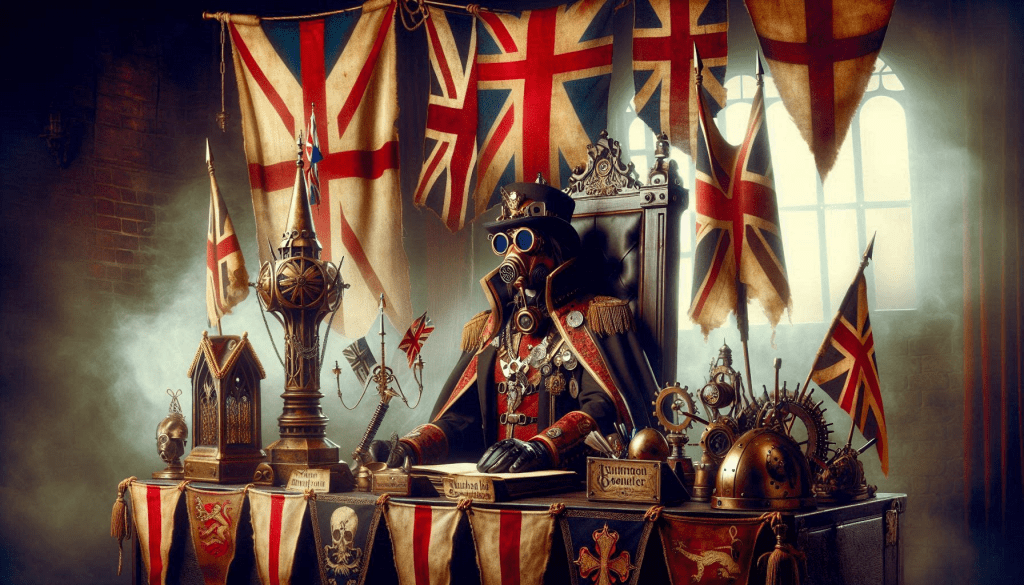


Leave a Reply